English
 Deutsch
Coaxial Disperser
Cat:High Speed Disperser
Standard Disperser usually has hydraulic lift and pneumatic lift two ways to choose. The effect of high-speed dispersion depends on the type and size ...
See DetailsIn the field of industrial mixing equipment, the High Shear Mixer has become indispensable across pharmaceutical, food, chemical, and personal care industries, thanks to its powerful emulsification, dispersion, and homogenization capabilities. Although Batch High Shear Mixers and Inline High Shear Mixers may appear similar on the surface, the two differ fundamentally at the level of flow field dynamics. These differences directly govern equipment suitability, product quality consistency, and scale-up pathways.
A Batch High Shear Mixer operates by submerging a rotor-stator assembly inside a fixed vessel. As the rotor spins at high speed, it drives bulk circulation of the material throughout the tank. The product repeatedly passes through the shear zone over the course of the mixing cycle, producing a flow field characterized by cyclic, cumulative shear.
An Inline High Shear Mixer, by contrast, is installed directly in a pipeline. Material flows through the rotor-stator shear zone only once per pass, at a controlled volumetric flow rate. Residence time inside the device is extremely short — typically on the order of milliseconds to seconds — and the overall flow field approximates a forced single-pass shear structure, closer to plug flow or a mildly dispersed pipe flow model.
This difference in configuration fundamentally affects the mode of energy input, the distribution of shear history, and the number of shear events experienced by each fluid element.
In a batch system, individual fluid parcels experience significantly different shear histories over a single processing cycle. Material near the rotor-stator zone is subjected to frequent, high-intensity shear, while material near vessel walls or dead corners may receive comparatively little. This non-uniform energy density distribution is especially pronounced in high-viscosity systems or large-volume batches, and is a primary source of batch-to-batch variability in product quality.
The Inline High Shear Mixer addresses this limitation by allowing precise control over flow rate and rotor speed, ensuring that each fluid element receives a relatively consistent shear treatment. Energy input is concentrated within a well-defined shear zone, and the specific energy input per unit volume can be calculated directly from measurable operating parameters. For emulsion or dispersion applications where tight particle size distribution is critical, this consistency is of decisive importance.
Within a batch vessel, large-scale circulation flow and localized turbulence generated by the rotor-stator coexist. Macro-mixing at the vessel scale and micro-mixing within the shear zone are dynamically coupled, resulting in a complex, evolving turbulent structure. The Reynolds number changes continuously as viscosity and material composition shift during the mixing cycle, meaning the flow field operates in a transient, non-steady-state regime.
Inside an Inline High Shear Mixer operating under stable conditions, the flow field approaches steady state. High-frequency turbulent fluctuations generated within the rotor-stator gap act directly and immediately on the passing material. The turbulent energy dissipation rate (ε) is highly concentrated within the shear zone. This concentrated energy dissipation mode promotes narrower droplet or particle size distributions, and offers particular advantages in emulsion manufacturing and wet milling of solid particles.
In a batch system, total processing time is set by the operator based on process knowledge and experience. Although the residence time distribution (RTD) within the vessel is relatively broad, the overall process duration remains controllable. For complex formulations requiring staged ingredient addition or reactive mixing steps, batch mode provides greater operational flexibility.
The RTD of an Inline High Shear Mixer more closely resembles that of an ideal plug-flow reactor, with a narrow distribution. The probability of over-processing or under-processing individual fluid elements is lower than in batch mode. From an integration standpoint, the Inline High Shear Mixer can be directly embedded into existing piping systems, eliminating intermediate holding tanks, reducing cross-contamination risk, and aligning with the principles of modern continuous manufacturing.
Cavitation manifests differently in the two device types. In a batch mixer, the rotor-stator assembly operates in an open vessel environment, and the local pressure conditions below the liquid surface are relatively stable. Cavitation behavior is influenced by vessel geometry and liquid level.
In an Inline High Shear Mixer, the pressure differential between inlet and outlet can be adjusted through the pipeline system, giving operators more precise control over cavitation onset. For materials sensitive to cavitation — such as bioactive compounds or protein-based products — the ability to suppress cavitation through backpressure control is considerably more accurate in the inline configuration.
Scaling up a Batch High Shear Mixer confronts the classic challenge of satisfying geometric and dynamic similarity simultaneously. As vessel volume increases, maintaining constant tip speed results in a significant drop in power-per-unit-volume (P/V), leading to reduced mixing uniformity. Empirical corrections and additional baffling are often required, and the scale-up outcome can be difficult to predict with confidence.
The scale-up logic for an Inline High Shear Mixer is more straightforward. Higher throughput can be achieved by increasing flow rate or operating multiple units in parallel, while the local geometry of the rotor-stator shear zone — and therefore its fluid dynamic characteristics — remains unchanged. This property gives the Inline High Shear Mixer more predictable scale-up behavior in industrial production, reducing the process validation burden during the transition from pilot scale to full commercial scale.
Neither configuration holds an unconditional advantage; the correct choice depends on the specific process requirements. A Batch High Shear Mixer is well suited for small-volume, multi-product manufacturing, complex formulations requiring sequential ingredient addition, and early-stage process development where operational flexibility is valued.
An Inline High Shear Mixer is better positioned for large-scale, single-product continuous production, applications demanding tight and consistent particle size distribution, and modern production lines that require close integration with upstream and downstream equipment.
A thorough understanding of the fundamental differences in flow field dynamics between these two types of High Shear Mixer is the essential foundation for process engineers to make informed equipment decisions and maintain consistent product quality across all scales of operation.
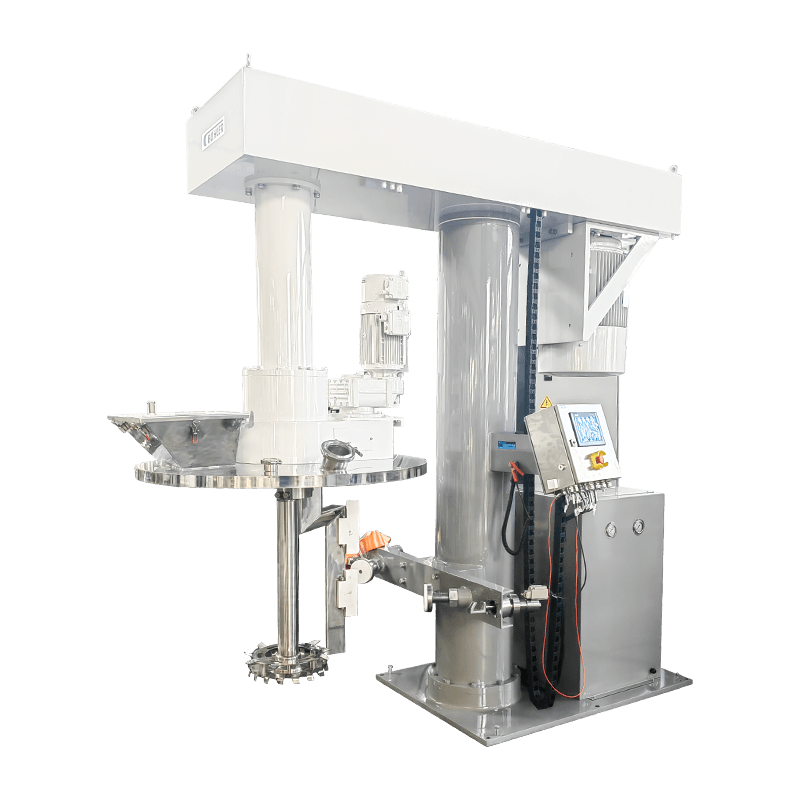
Standard Disperser usually has hydraulic lift and pneumatic lift two ways to choose. The effect of high-speed dispersion depends on the type and size ...
See Details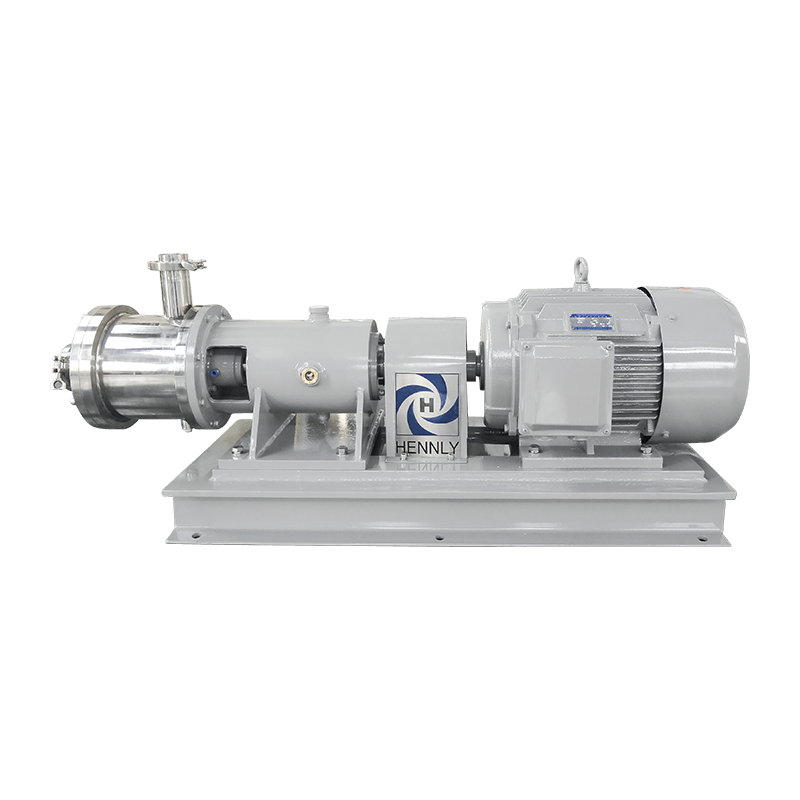
When the material is sucked into the rotor area from the axial position, the material is quickly thrown to the fixed rotor shear gap under the action ...
See Details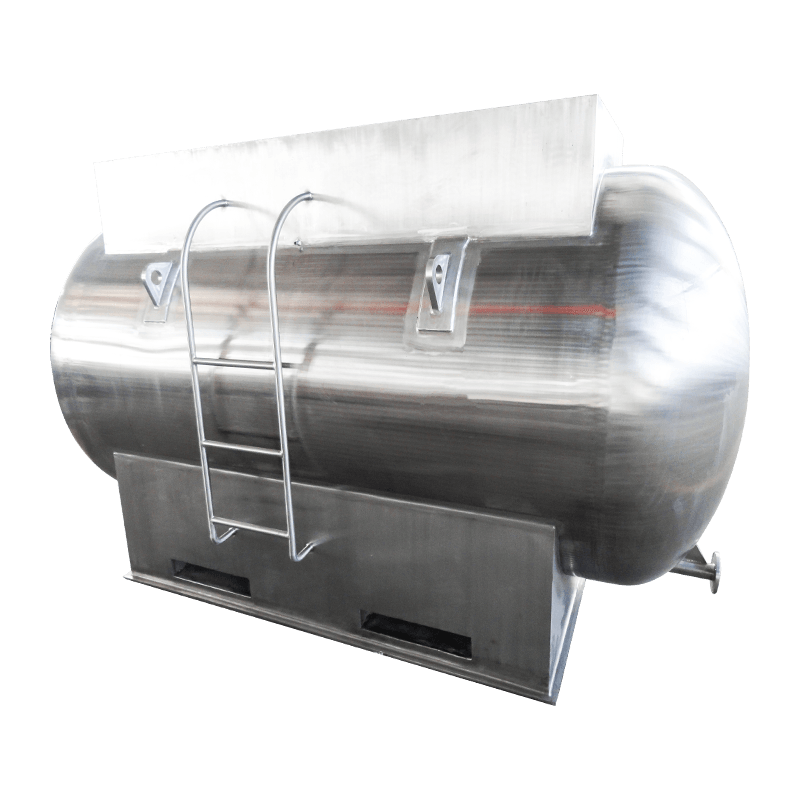
Hennly’s atomization pots are mainly used in the production of tin powder. A furnace is installed on the top of the atomization tank, and molten tin d...
See Details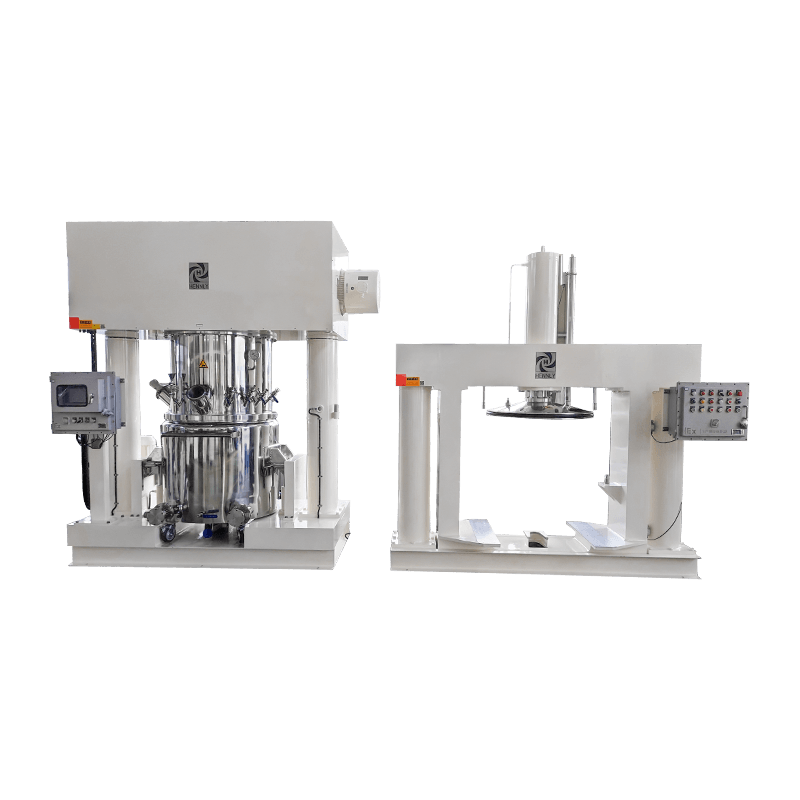
The claw blades planetary disperser is based on the claw-type double planetary mixer, with the addition of one or two high-speed dispersion units. Thi...
See Details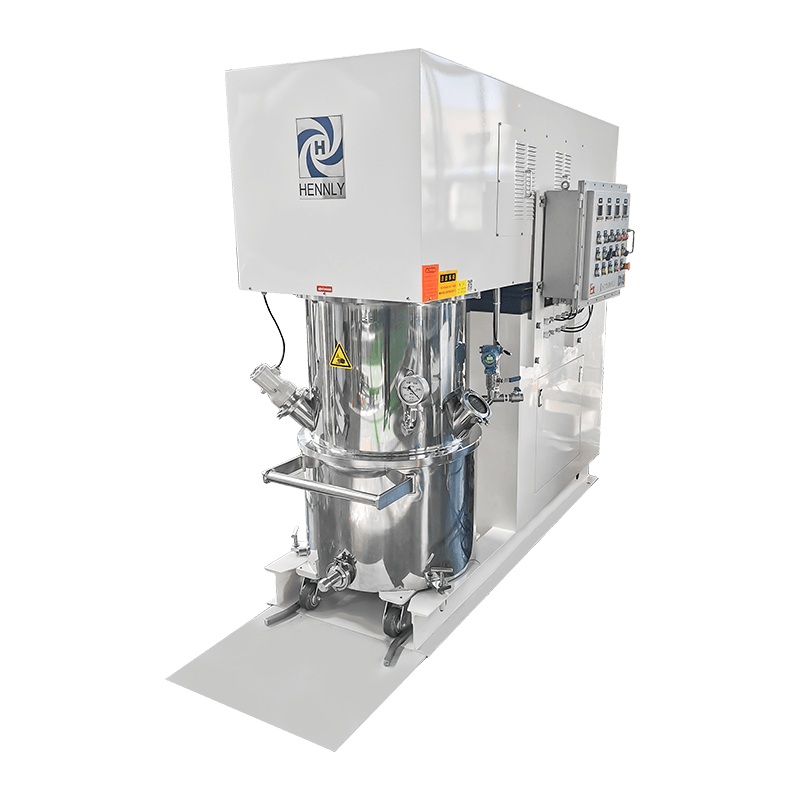
The triple planet is a kind of planetary mixer designed to solve the problem that viscous materials tend to cling to the paddles of traditional double...
See Details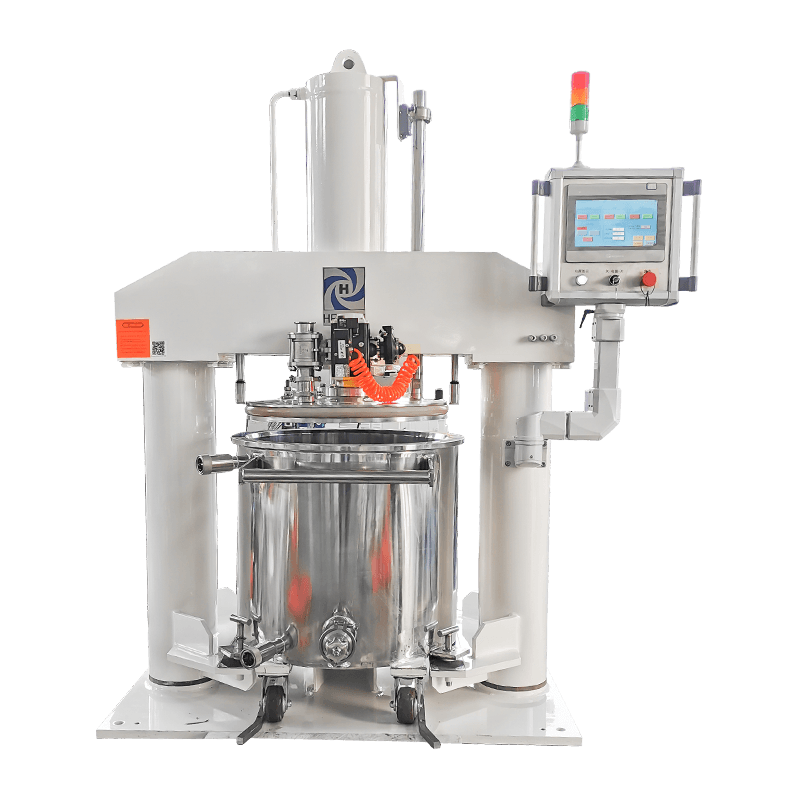
If the container is designed with an elevated base that meets the required discharge height, the fixed discharge system can be used directly. This sys...
See Details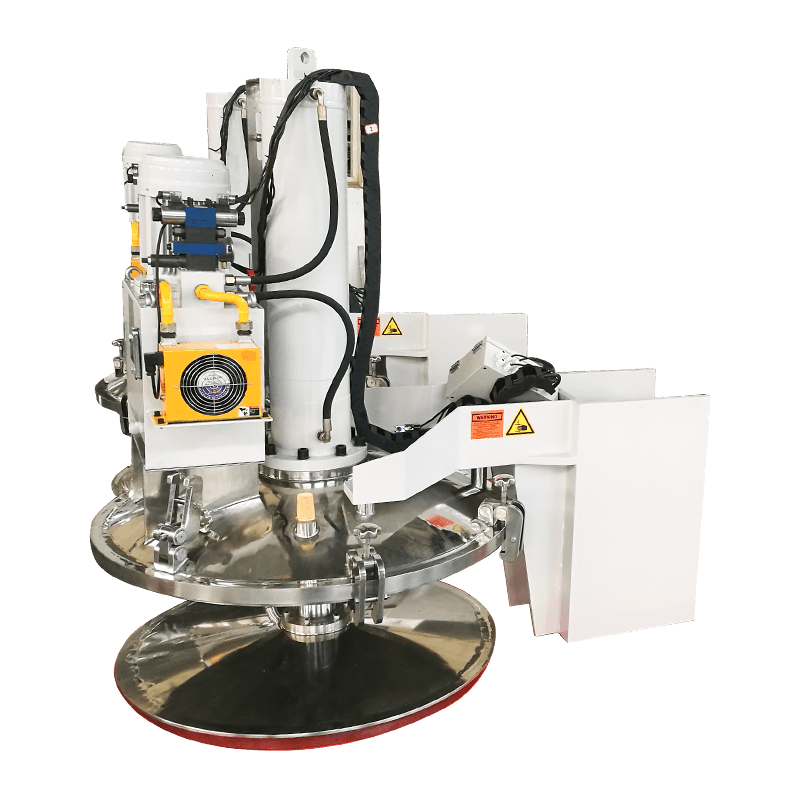
The main features of this press is small footprint, space saving and can be rotated 360°.lt can be used for discharging, and also can be used for filt...
See DetailsExperienced employees & experts are Always At Your Service to provide you with satisfactory products & professional instruction on technical problem solutions.

Add: No.36 Dragon Road, Technology Park, Qidong City, Jiangsu Province

Phone: +86-13806285652

Tel:+ 86-0513-83635488

Fax:+ 86-0513-83635488

E-mail: andyli@hennly.com