English
 Deutsch
Large Production Capability Mixer
Cat:Multi-Shaft Mixer
In mass production, conventional equipment structures may no longer be suitable. The drive unit is typically fixed directly to the mixing tank. These ...
See DetailsIn modern chemical industries and precision processing, handling high-viscosity, non-Newtonian fluids, or solid-liquid mixtures often proves difficult for single-function stirring equipment. The Industrial Multi-Shaft Mixer has fundamentally changed the logic of complex fluid processing. It is not merely a stack of multiple shafts but a highly coordinated power system designed to perform mixing, dispersion, emulsification, and heat exchange simultaneously within the same vessel through differentiated speeds and blade designs.
The core advantage of this equipment lies in its ability to address processing challenges. When material viscosity reaches tens or even hundreds of thousands of centipoise (cps), standard impellers often create a "cavern" effect, where only the material immediately surrounding the impeller moves while the material at the edges remains stagnant. The Industrial Multi-Shaft Mixer eliminates these dead zones by combining a low-speed anchor frame with high-speed working heads to force global material flow, ensuring extreme uniformity.
It is defined as a composite processing device that integrates multiple stirring and shearing functions into a single system.
Single agitators often fail to meet modern industrial needs due to the limited flowability of high-viscosity materials. The multi-shaft design addresses these flow challenges by providing both macro and micro-mixing.
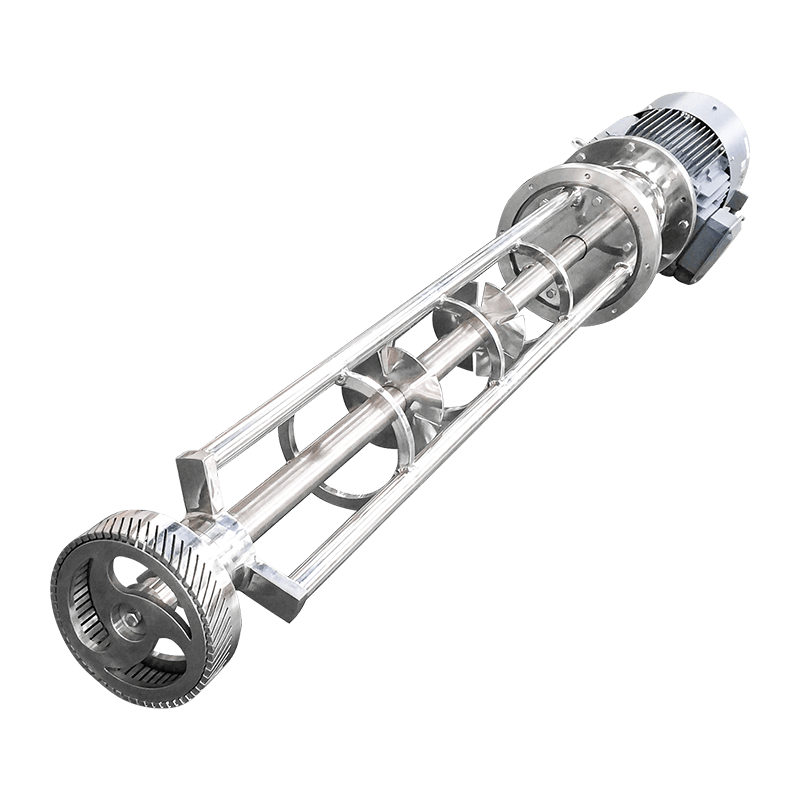
The equipment typically features a low-speed, high-torque anchor agitator and one or more high-speed dispersers. The anchor shaft pushes material from the vessel walls toward the center, creating a macro-circulation of up-and-down tumbling. Simultaneously, the high-speed shafts utilize extreme linear velocity to generate local shear force, breaking down powder agglomerates or immiscible liquid phases.
Heat transfer is a massive challenge in high-viscosity systems. The anchor paddle of an Industrial Multi-Shaft Mixer is usually equipped with PTFE scrapers that continuously wipe material from the inner walls. This prevents localized overheating or charring and significantly improves the efficiency of jacket cooling or heating.
Understanding the high performance of the Industrial Multi-Shaft Mixer requires a look at its precision-engineered mechanical structure, built to withstand high loads and extreme process conditions.
| Component Name | Motion Type | Typical Speed Range (RPM) | Core Function | Linear Velocity (m/s) |
| Anchor Agitator | Low speed/High torque | 10 – 60 | Global circulation, eliminating dead zones, aiding heat exchange | 1 – 3 |
| High-speed Disperser | High speed/Shear | 500 – 3,000 | Powder wetting, breaking agglomerates, increasing surface area | 18 – 25 |
| High-Shear Emulsifier | Ultra-high shear | 1,500 – 3,600 | Liquid-liquid emulsification, ultra-fine particle processing | 25 – 45 |
Each shaft of an Industrial Multi-Shaft Mixer is usually driven by an independent motor and reducer. Through advanced Variable Frequency Drive (VFD) systems, operators can flexibly adjust the speed ratio of each shaft based on the rheological characteristics of the material at different reaction stages.
Central Anchor Agitator: Features scrapers to enhance heat exchange.
High-speed Dissolver Shaft: Generates shear forces for powder-liquid mixing.
High-Shear Emulsification Head: An optional configuration for ultra-fine emulsification needs.
Since most high-viscosity mixing processes must occur under vacuum to prevent oxidation or bubbles, seal design is critical. Double mechanical seals are typically used, equipped with independent lubrication and cooling systems to maintain high vacuum levels during long-term operation.
To meet hygiene and anti-corrosion requirements, contact parts of the Industrial Multi-Shaft Mixer are usually made of SS304 or SS316L stainless steel, with surface polishing up to Ra 0.4μm to meet GMP or chemical stability standards.
The performance of the Industrial Multi-Shaft Mixer stems from its precise control of fluid dynamics, creating complex turbulence in high-viscosity systems.
The low-speed anchor blades move close to the vessel wall to overcome the yield stress of the material. The inclined cross-beam design of the anchor generates radial forces, constantly feeding edge material into the "high-energy shear zone" at the center.
The high-speed dispersion shaft of the Industrial Multi-Shaft Mixer, often located in an eccentric or central position, uses a saw-tooth disc to generate high local linear speeds. When material passes the disc edge, the instantaneous velocity gradient creates shear stress that exceeds the internal cohesive forces of the material, achieving wetting and dispersion.
In high-viscosity mixing, bubbles are extremely difficult to discharge naturally. The Industrial Multi-Shaft Mixer typically operates in a sealed negative-pressure environment. As the anchor paddle brings deep-layer material to the surface, the vacuum system quickly removes bursting bubbles. This is vital for producing bubble-free electronic glues or pharmaceutical ointments.
Jacketed vessels support heating and cooling cycles. This prevents localized overheating and ensures uniform heat exchange throughout the batch.
The Industrial Multi-Shaft Mixer has become a standard configuration across several high-tech industries due to its ability to process everything from fluids to semi-solids.
| Industry Sector | Typical Viscosity (cps) | Core Process Requirements | Material & Grade Requirements |
| Chemical Adhesives | 100,000 – 800,000 | Rapid heat dissipation, explosion-proof safety | Carbon steel or SS304 / Ex-d Rated |
| Battery Slurry | 2,000 – 15,000 | Extreme solid content uniformity, metal ion control | SS316L / Ceramic coating for anti-pollution |
| Cosmetic Creams | 10,000 – 100,000 | Vacuum de-aeration, micron-level particle distribution | SS316L / GMP Hygienic mirror polish |
| Pharmaceutical Ointments | 50,000 – 200,000 | Strict temp control, sterile CIP cleaning | SS316L / Electro-polishing / Pressure vessel std |
In the production of high-performance sealants, the Industrial Multi-Shaft Mixer must incorporate large amounts of fillers (like calcium carbonate or fumed silica) into base materials in a short time while maintaining a constant reaction temperature.
Requires sterile production of ointments, creams, and gels. It ensures that the final product is smooth, delicate, and free of air bubbles.
When handling thick sauces like tomato paste, chocolate, or mayonnaise, the equipment ensures that additives like thickeners or flavorings are distributed uniformly within seconds, even at high viscosities.
In the preparation of lithium battery slurry, the mixer ensures micro-contact between conductive agents and active materials, directly affecting battery internal resistance and cycle life.
Selecting an efficient Industrial Multi-Shaft Mixer is not about the highest speed, but about customizing the configuration to the rheological properties of the material.
For shear-thinning (non-Newtonian) fluids, the dispersion shaft requires high starting torque. For constant-viscosity materials, focus on the continuous power output of the anchor shaft under full load.
Hydraulic Lift: Suitable for small to medium-sized experiments and production, making it easy to change mixing tanks.
Fixed Cover / Tank Lift: Suitable for large-scale production lines, offering better sealing for integrated automatic feeding systems.
High-viscosity mixing converts mechanical energy into heat (shear heat). A superior Industrial Multi-Shaft Mixer must have a large jacketed heat exchange area, and sometimes even utilize cooling media within the anchor blades themselves.
Equipment solutions are available for ranges from 50,000 cps to over 1,000,000 cps.
Necessary configurations for environments involving flammable solvents.
Strict operating procedures and systematic maintenance plans are essential for maintaining performance and extending the life of the equipment.
Before starting the Industrial Multi-Shaft Mixer, verify that all shafts rotate in the correct direction to avoid mechanical interference. Check the mechanical seal coolant levels; running the seal dry is strictly prohibited.
Lubrication System: Bearings and reducers require regular replacement of industrial-grade lubricant.
Scraper Replacement: PTFE scrapers on the anchor agitator are wear parts. Excessive wear reduces heat exchange efficiency.
Vacuum Integrity Testing: Perform static pressure tests regularly to ensure the vacuum leak rate remains within process tolerances.
| Inspection Item | Frequency | Focus Area | Potential Impact |
| Mechanical Seal | Monthly | Coolant level, leakage volume | Pressure loss, contamination, bearing damage |
| Scrapers | Quarterly | Wear thickness, fastening bolts | Reduced heat exchange, uneven mixing |
| Drive Belts | Semi-annually | Tension, cracking | Power loss, abnormal noise, breakage |
| VFD Drive | Annually | Cooling fans, loose terminals | Motor overheating, program errors |
Technical Fact: In a planetary mixer, the shafts rotate while also revolving around a center point, making them suitable for extreme viscosities like heavy dough. Multi-shaft mixers have fixed shaft positions and are better for viscous fluids that still possess some flowability. Additionally, Industrial Multi-Shaft Mixers often use an eccentric layout to break flow symmetry and force material through high-shear zones.
Technical Fact: Scrapers prevent high-viscosity material from sticking to the walls and forming an insulating layer. This significantly increases heat transfer efficiency and ensures the batch is heated uniformly without localized charring.
Technical Fact: Beyond removing air bubbles, a vacuum prevents oxidation and helps volatile byproducts escape during certain chemical reactions. In an Industrial Multi-Shaft Mixer, the vacuum system removes air as the anchor brings material to the surface.
Technical Fact: The flexibility of the Industrial Multi-Shaft Mixer lies in independent control. For these materials, one can lower the speed of the disperser or turn it off entirely once uniformity is reached, relying only on the anchor for temperature control.
Technical Fact: Dead zones are areas where material is stagnant, usually at the bottom center or side walls. The Industrial Multi-Shaft Mixer uses contour-matched anchor blades and wall scrapers to ensure every inch of material is pulled into the main flow field.
Technical Fact: Modern units can integrate constant power control. As viscosity increases and current rises, the VFD micro-adjusts the speed to maintain constant torque, protecting the motor while ensuring process continuity.
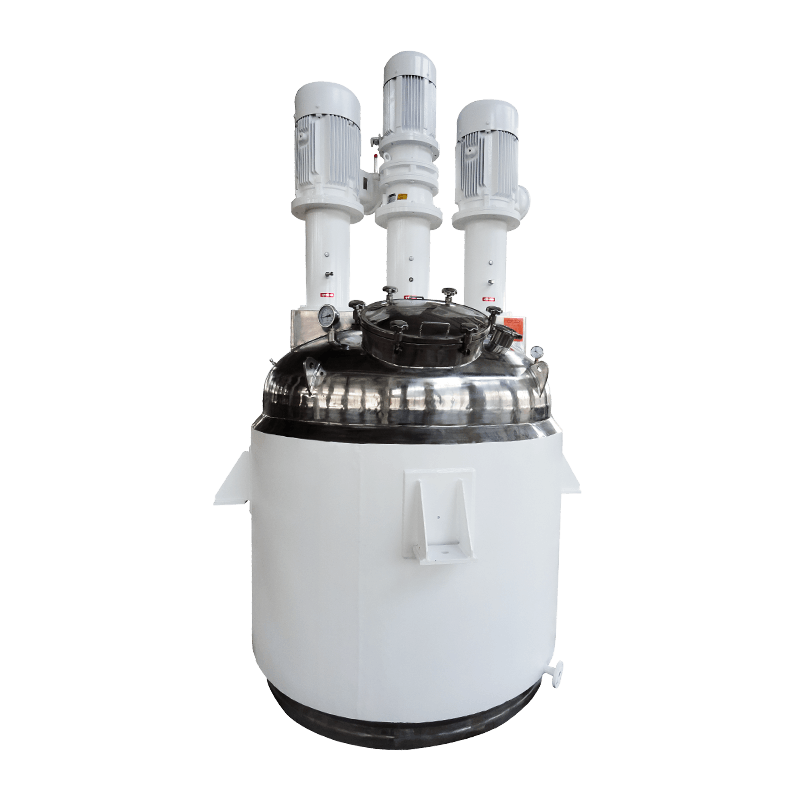
In mass production, conventional equipment structures may no longer be suitable. The drive unit is typically fixed directly to the mixing tank. These ...
See Details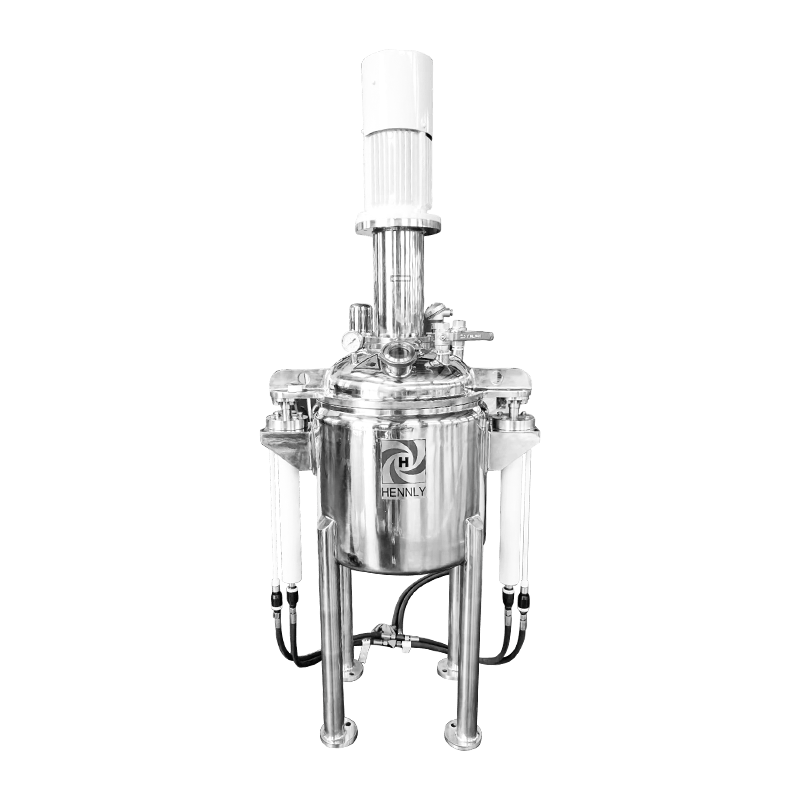
The lab-type disperser is a device specially designed for laboratory environments, which combines the functions of dispersion and mixing and is especi...
See Details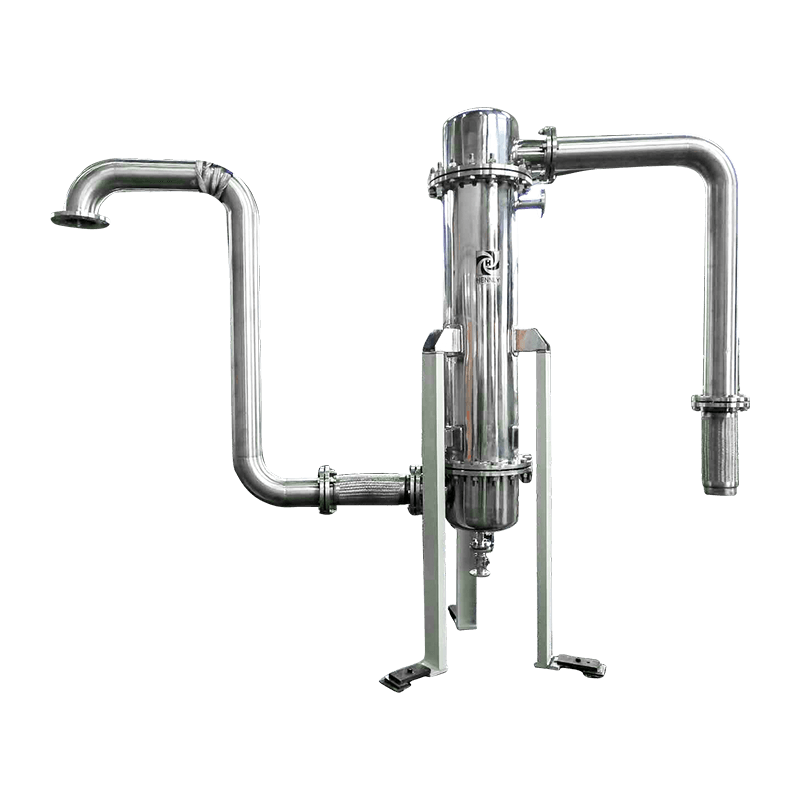
Hennly’s heat exchangers are designed for rapid heat transfer and high heat exchange efficiency. They can heat cold liquid water to boiling point quie...
See Details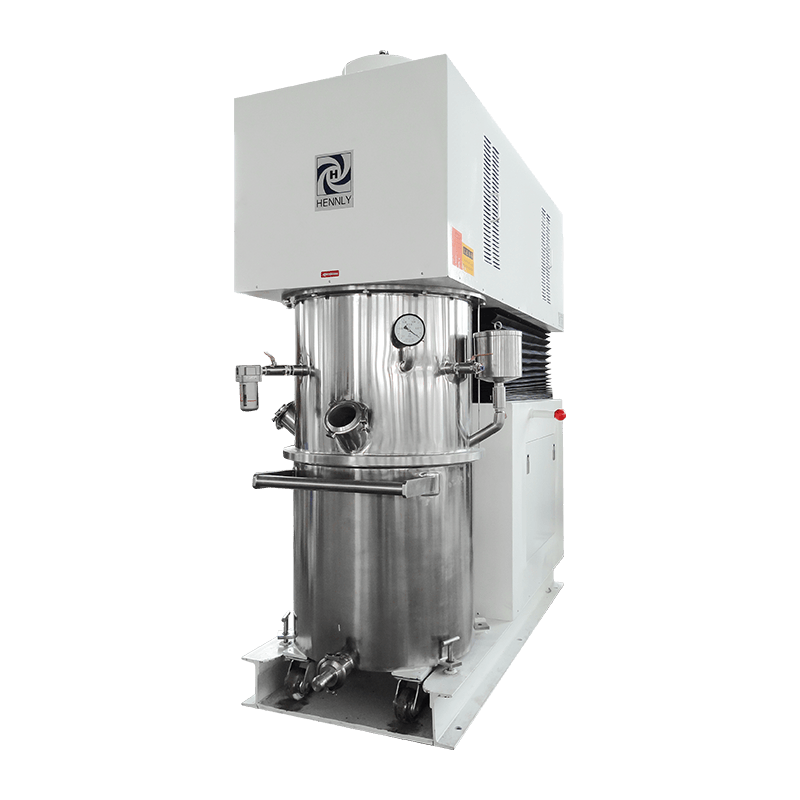
The rectangular blade planetary disperser is based on the rectangular blade's double planetary mixer, with the addition of one or two high-speed dispe...
See Details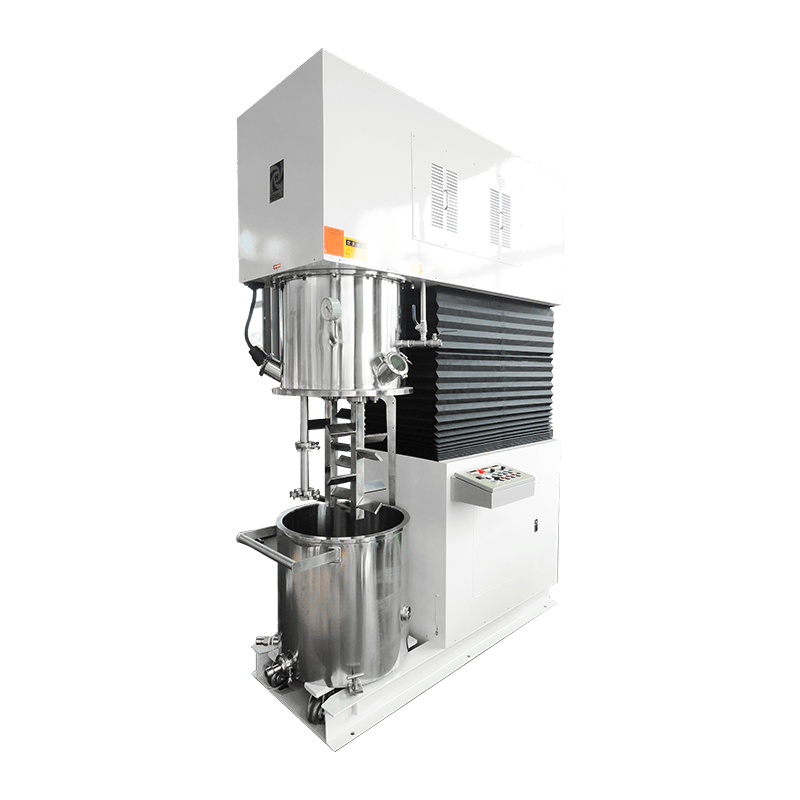
The finger blades planetary disperser is built on the finger-type double planetary mixer, with one or two additional high-speed dispersion units. Nant...
See Details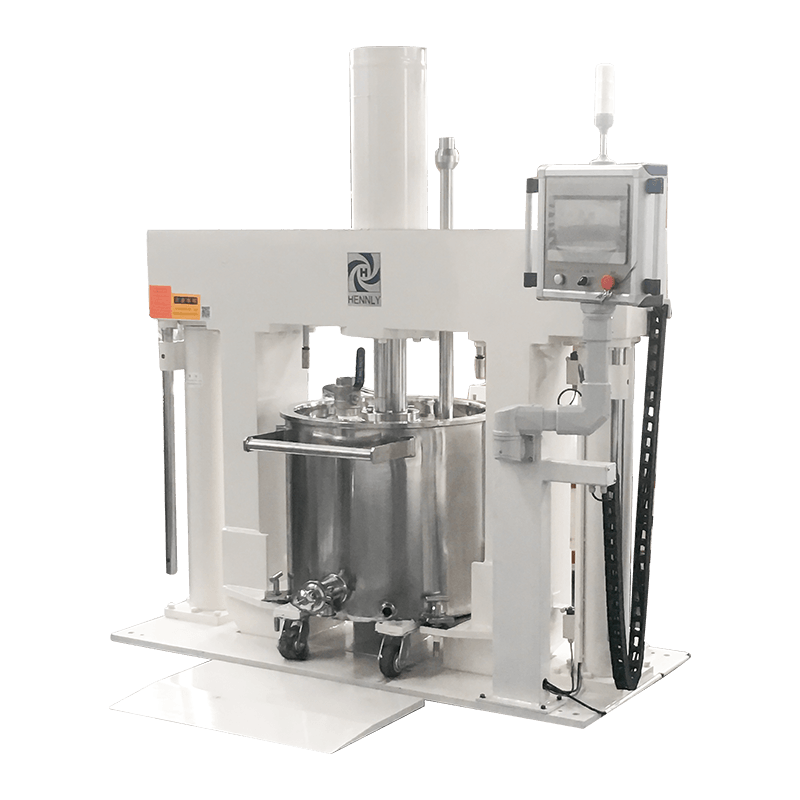
In order to meet the higher value-added product process and achieve zero pollution to the product, we use the servo electric cylinder instead of the t...
See Details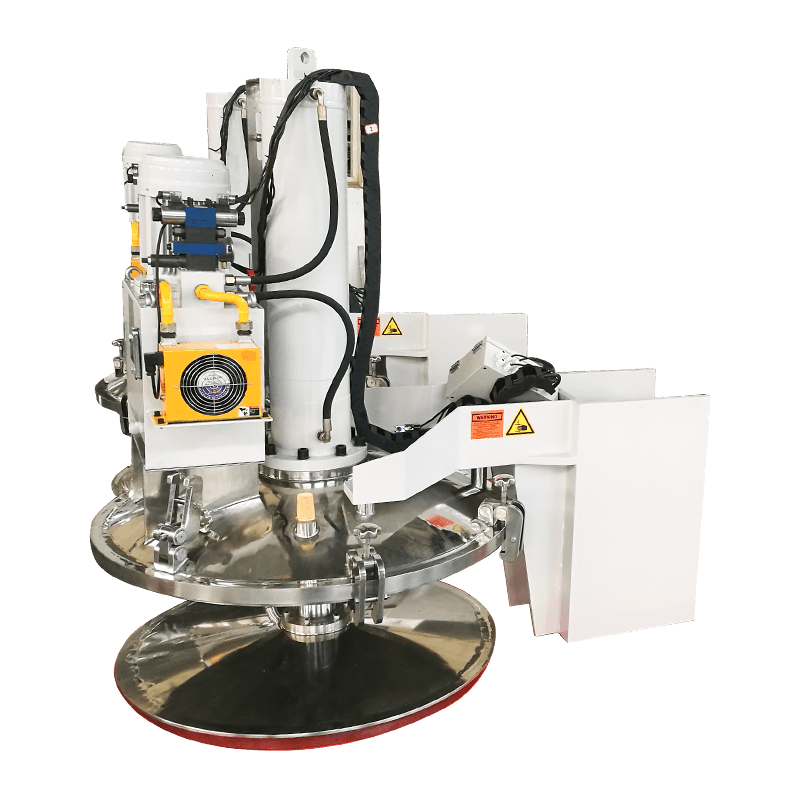
The main features of this press is small footprint, space saving and can be rotated 360°.lt can be used for discharging, and also can be used for filt...
See DetailsExperienced employees & experts are Always At Your Service to provide you with satisfactory products & professional instruction on technical problem solutions.

Add: No.36 Dragon Road, Technology Park, Qidong City, Jiangsu Province

Phone: +86-13806285652

Tel:+ 86-0513-83635488

Fax:+ 86-0513-83635488

E-mail: andyli@hennly.com