English
 Deutsch
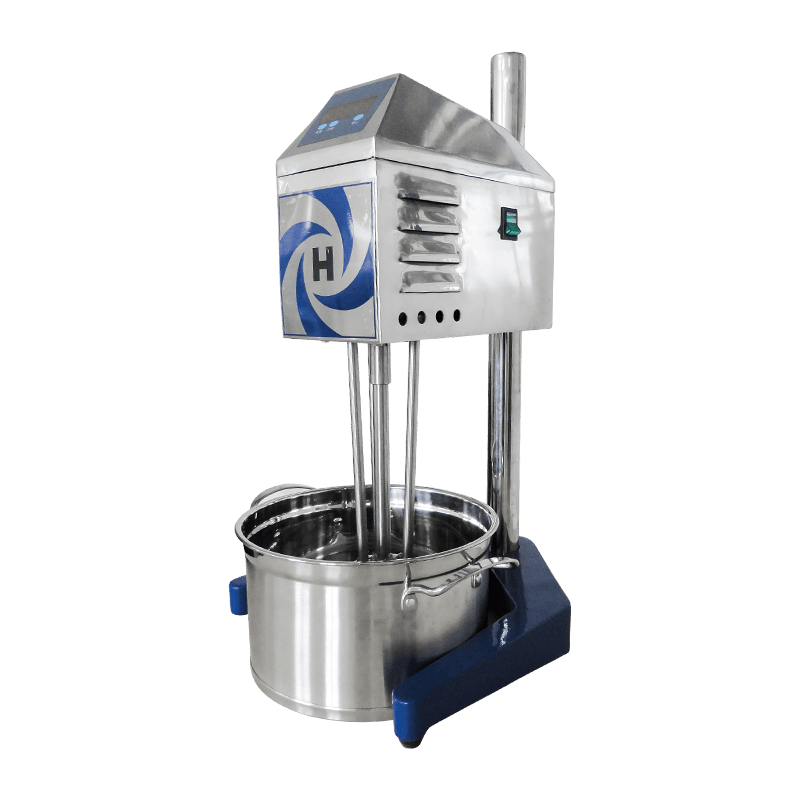
Double Axis Hybrid Mixer
Cat:Multi-Shaft Mixer
The two-shaft mixer is usually composed of a group of high-speed and a group of low-speed mixers, which can mix different particles in a short time to...
See DetailsLarge production capability mixers play a critical role in industrial processes, serving as essential equipment across various sectors such as chemicals, food, pharmaceuticals, and more. These mixers ensure uniform material blending, improve production efficiency, and maintain product quality. This article will discuss the primary functions and applications of large production capability mixers in detail.
The primary function of large production capability mixers is to efficiently blend different materials into a homogeneous mixture. This is particularly important in industries like chemicals, food, and pharmaceuticals, where the uniformity of the mixture directly affects the final product quality.
In large-scale production environments, mixers must be equipped with robust power systems to handle high-volume material mixing demands. Through precisely designed mixing blades and optimized speed adjustment systems, these mixers can efficiently handle a variety of materials, including liquids, solids, and viscous substances. Whether dealing with powders, slurries, or thick liquids, these mixers ensure that the materials are uniformly blended in a short period.
Large production capability mixers are not only designed to meet the demands of large-scale production but also to operate efficiently in continuous production cycles. Unlike smaller mixers, large mixers are built to handle heavy-duty operations, capable of working non-stop for extended periods to process large volumes of material.
This continuous production capability makes large mixers the preferred choice for industries that require high throughput. In large-scale production lines, their stability and efficiency ensure smooth operations, minimize downtime, and significantly enhance overall production capacity.
In certain industries, materials with high viscosity, such as thick food ingredients, chemical solutions, paints, and adhesives, require specialized mixing equipment. Standard mixers may not be suitable for handling such materials, which is where large production capability mixers come into play.
These mixers are equipped with specially designed mixing blades and drive systems that can efficiently handle high-viscosity materials. By using anchor-type or helical mixing blades, the mixer can reduce the resistance during mixing and ensure that the mixture remains homogeneous. Additionally, with variable frequency drives (VFDs), the speed of the mixer can be adjusted according to the viscosity of the material, optimizing mixing efficiency and reducing energy consumption.
In many industries, maintaining a specific temperature during the mixing process is crucial to ensure the consistency and quality of the final product. Large production capability mixers are often equipped with advanced temperature control systems to monitor and regulate the temperature of the material during the mixing process, ensuring that it stays within the desired range.
Additionally, modern mixers come with automated process control systems that enable precise control of various parameters such as mixing time, speed, temperature, and pressure. By utilizing PLC (Programmable Logic Controller) systems and sensors, any abnormality during the mixing process can be detected and corrected promptly, preventing product quality issues and reducing production variability.
Energy efficiency is a key consideration in the design of large production capability mixers. By optimizing the design of the mixing blades, minimizing friction losses, and incorporating variable frequency drives, these mixers can operate efficiently while reducing energy consumption.
For industries with high production volumes, energy savings are crucial in reducing overall production costs. In the design phase, manufacturers often focus on balancing the need for high mixing efficiency with energy-saving features, ensuring that the mixer can meet production demands while minimizing environmental impact.
Large production capability mixers are versatile and find applications across various industries. Below are some of the primary sectors where these mixers are used:
In the chemical industry, large mixers are used for blending various raw chemicals to produce products like paints, coatings, adhesives, fertilizers, and more. These mixers are designed to handle materials that can be highly viscous or chemically reactive, ensuring efficient mixing without compromising safety. Chemical processes such as reaction mixing, dissolution, and homogenization all rely on the performance of high-capacity mixers.
In food processing, large mixers are used for mixing ingredients such as flour, syrups, sauces, and dairy products. As production scales up, the capacity and stability of the mixer become crucial to maintaining product quality and consistency. The mixers are designed with food-grade materials, often stainless steel, to ensure hygiene and ease of cleaning, meeting the stringent safety standards required in food manufacturing.
The pharmaceutical industry has high demands for mixing equipment due to the need for uniformity and precision in the production of medications. Large mixers in pharmaceutical manufacturing are used for blending drug formulations, powder mixing, and producing liquid solutions. In this industry, hygiene and precise control over the mixing parameters such as temperature and humidity are critical for ensuring product safety and efficacy.
In the renewable energy sector, particularly in the production of batteries and battery materials, large mixers are used to blend raw materials such as battery slurries, conductive materials, and lithium-ion battery components. These materials require uniform mixing to ensure optimal performance and longevity. As the demand for renewable energy grows, large mixers play a vital role in scaling up production and improving material properties.
In the environmental sector, large mixers are used for wastewater treatment, waste management, and recycling processes. These mixers help blend various materials during chemical reactions or biological treatments. They are designed to handle harsh conditions and ensure efficient processing, reducing energy use and increasing the overall effectiveness of the treatment process.
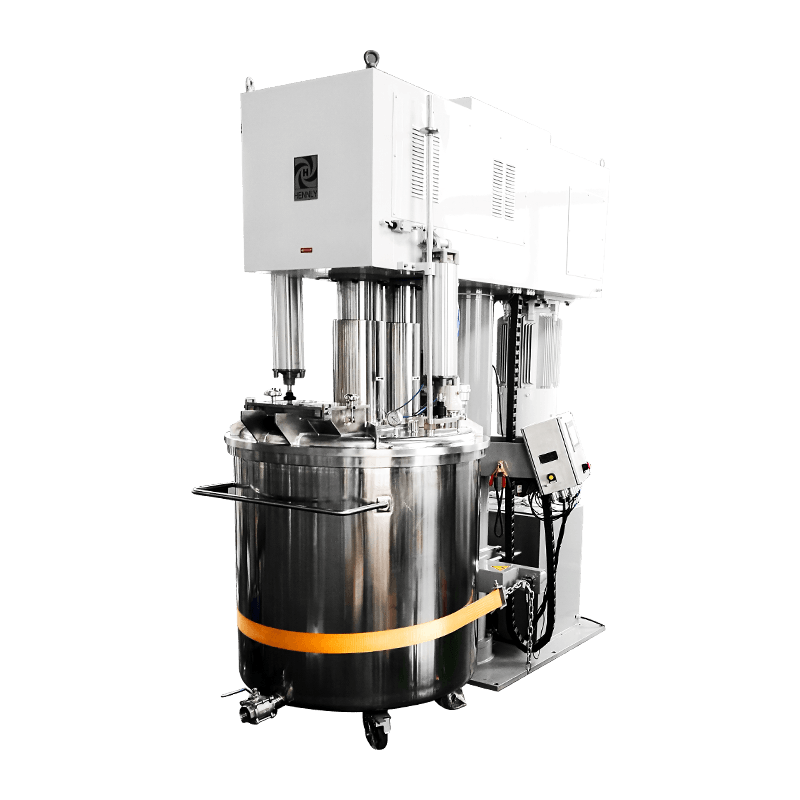
The two-shaft mixer is usually composed of a group of high-speed and a group of low-speed mixers, which can mix different particles in a short time to...
See Details
The lab-type disperser is a device specially designed for laboratory environments, which combines the functions of dispersion and mixing and is especi...
See Details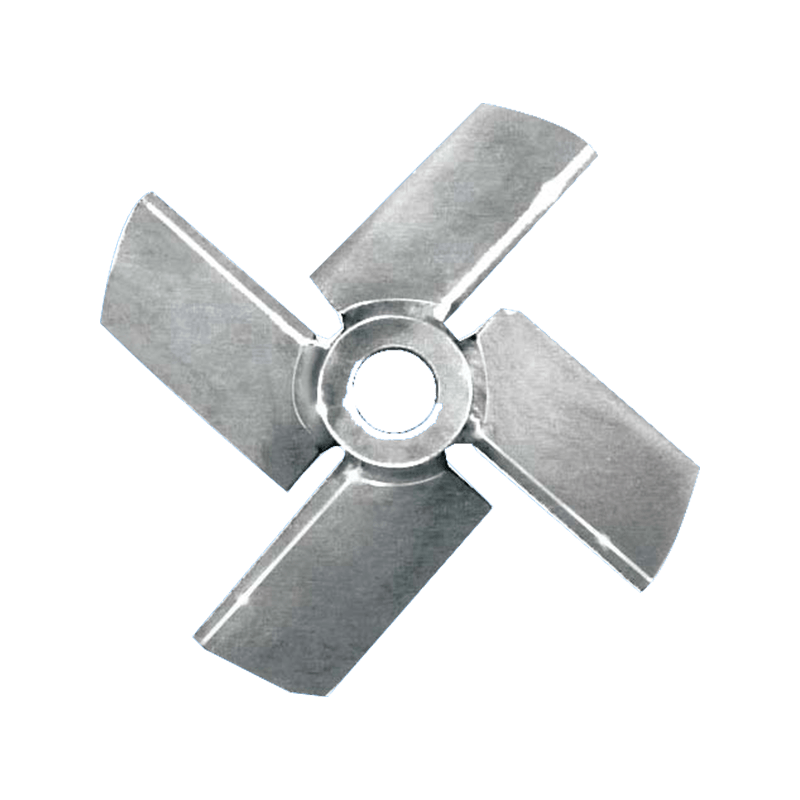
Nantong Hennly has conducted extensive research in the field of high-speed dispersers. For different materials and process requirements, Hennly offers...
See Details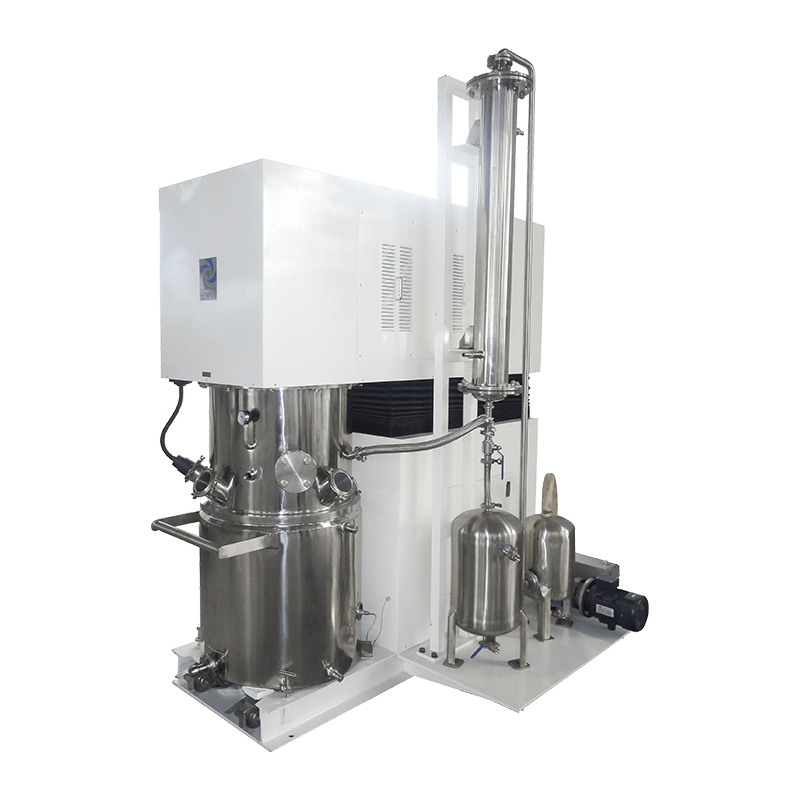
In addition to meeting the various production processes, Hennly mixer also can recycle volatile solvents, avoiding environmental pollution and reducin...
See Details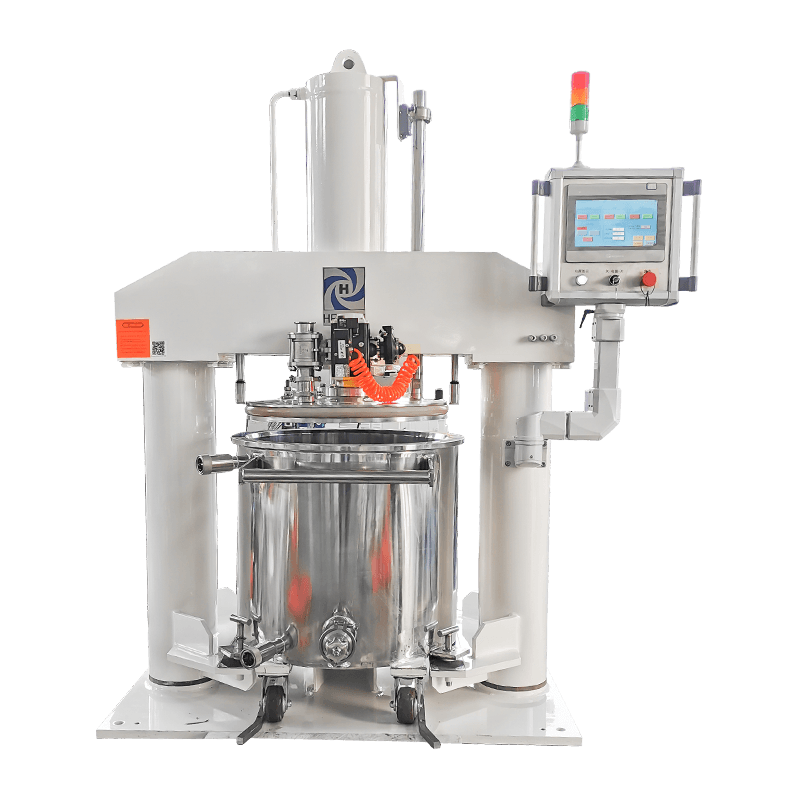
If the container is designed with an elevated base that meets the required discharge height, the fixed discharge system can be used directly. This sys...
See Details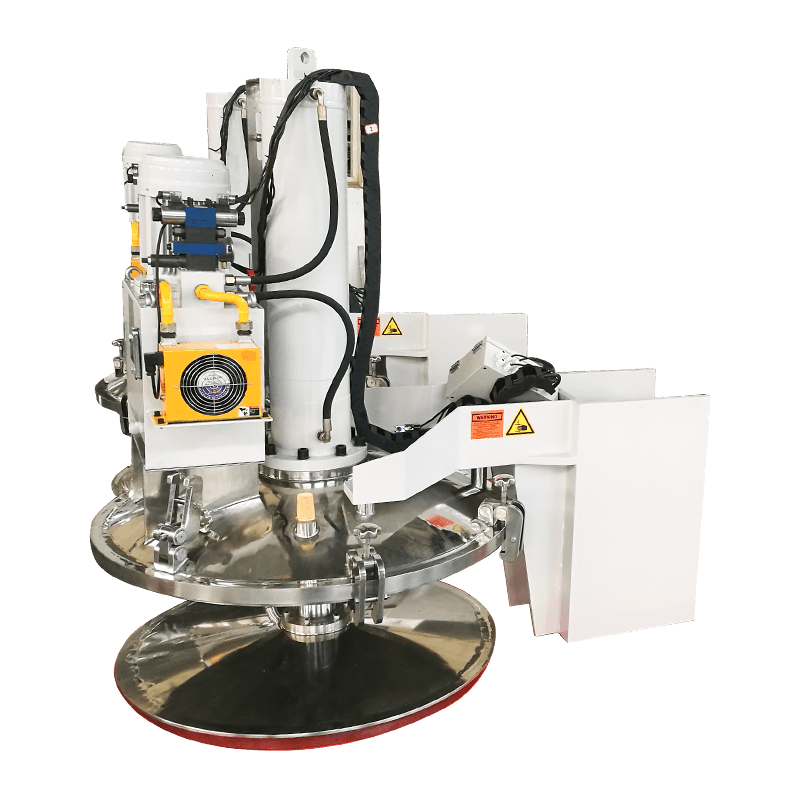
The main features of this press is small footprint, space saving and can be rotated 360°.lt can be used for discharging, and also can be used for filt...
See DetailsExperienced employees & experts are Always At Your Service to provide you with satisfactory products & professional instruction on technical problem solutions.

Add: No.36 Dragon Road, Technology Park, Qidong City, Jiangsu Province

Phone: +86-13806285652

Tel:+ 86-0513-83635488

Fax:+ 86-0513-83635488

E-mail: andyli@hennly.com