English
 Deutsch
Special Mixer of Paste Flux
Cat:Multi-Shaft Mixer
As the power of electronic products increases, the heat generated by components also rises accordingly. Conventional soldering materials and conductiv...
See DetailsIn the pursuit of high energy density and safety in the global new energy industry, Solid-State Battery technology has become a focal point. In the electrode preparation process, Dry Mixing is the core stage determining electrochemical performance. Unlike traditional wet processes, solid-state battery slurries often feature extremely high solid content and viscosity, posing severe challenges to the uniformity capabilities of mixing equipment.
The Industrial Double Planetary Mixer, with its unique dynamic design, has become the key tool for solving these uniformity puzzles in the industry. The following professional analysis explores how this technology addresses core manufacturing obstacles.
During the dry pre-mixing stage of solid-state batteries, there are significant differences in density and particle size between active materials, conductive agents (such as carbon nanotubes CNTs), and solid electrolyte powders. Standard mixing equipment often fails to break down micro-agglomerates without damaging the particle morphology.
Industrial Double Planetary Mixer units utilize a combination of Revolution and Rotation of two sets of blades to create a complex planetary motion trajectory.
Strong Kneading Action: As the blades rotate on their own axes while orbiting the center of the vessel, they create an intense shear field. This 3-dimensional composite motion generates high torque, forcing materials to undergo intensive kneading and extrusion between the blades and the vessel walls.
Micro-dispersion Mechanism: For ultra-fine conductive agent powders, the mixer utilizes high tip speeds to generate mechanical forces that completely strip micro-agglomerates. This ensures a uniform, single-particle level coating of the conductive network onto the surface of the active materials.
Solid-state battery materials are typically expensive and extremely sensitive to the environment. Any local mixing unevenness, or dead zones, leads to fluctuations in slurry conductivity, which in turn affects the cycle life of the finished battery.
The Industrial Double Planetary Mixer ensures comprehensive coverage through specific engineering designs:
Scraper Mechanism: The planetary carrier is equipped with a Scraper that fits tightly against the vessel wall. As the carrier revolves, the scraper continuously removes material adhering to the wall and pushes it back into the high-shear central mixing zone.
Flow Field Reconstruction: Unique blade designs, such as helical or twist types, enable vertical material circulation—lifting material from the bottom and folding it down from the top. This flow field design ensures that even when processing extreme viscosities exceeding 1,000,000 cP, the material remains homogeneous without stratification.
During the transition from dry powder mixing to high-solid-content slurry, air bubbles are easily entrapped. These bubbles form pinholes after coating, which become latent hazards for battery failure.
The Industrial Double Planetary Mixer features superior Vacuum Tightness:
High Vacuum Environment: The equipment can operate stably under high vacuum pressures. During mixing, residual air between powders and bubbles generated by the mixing action are forcibly extracted, significantly increasing the density and consistency of the slurry.
Inert Gas Protection: For solid electrolytes that are highly unstable when exposed to oxygen or moisture, the mixer can be purged with Argon or Nitrogen for full atmospheric protection throughout the process, preventing material degradation.
Due to high-density mechanical friction during dry mixing, material temperatures can rise rapidly. Polymer binders in solid-state batteries are highly temperature-sensitive; overheating can lead to loss of adhesion or material decomposition.
Through a Jacketed Vessel design, the Industrial Double Planetary Mixer achieves precise temperature control. Whether using circulating cold water or thermal oil, combined with high-precision temperature sensors inside the tank, the system can control material temperature fluctuations within a narrow range, ensuring the stability of the slurry rheological properties.
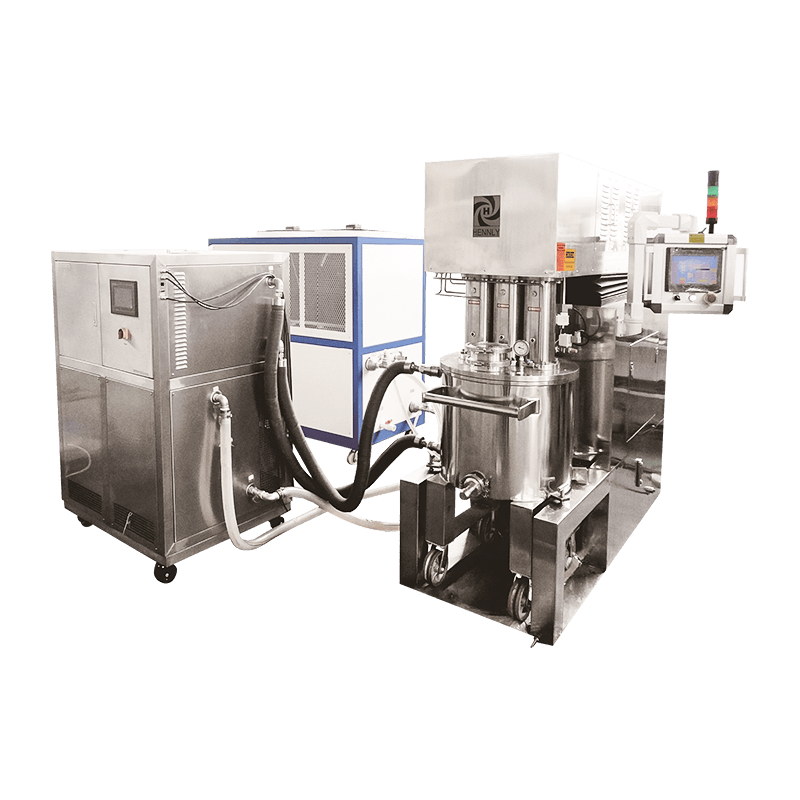
As the power of electronic products increases, the heat generated by components also rises accordingly. Conventional soldering materials and conductiv...
See Details
The lab-type disperser is a device specially designed for laboratory environments, which combines the functions of dispersion and mixing and is especi...
See Details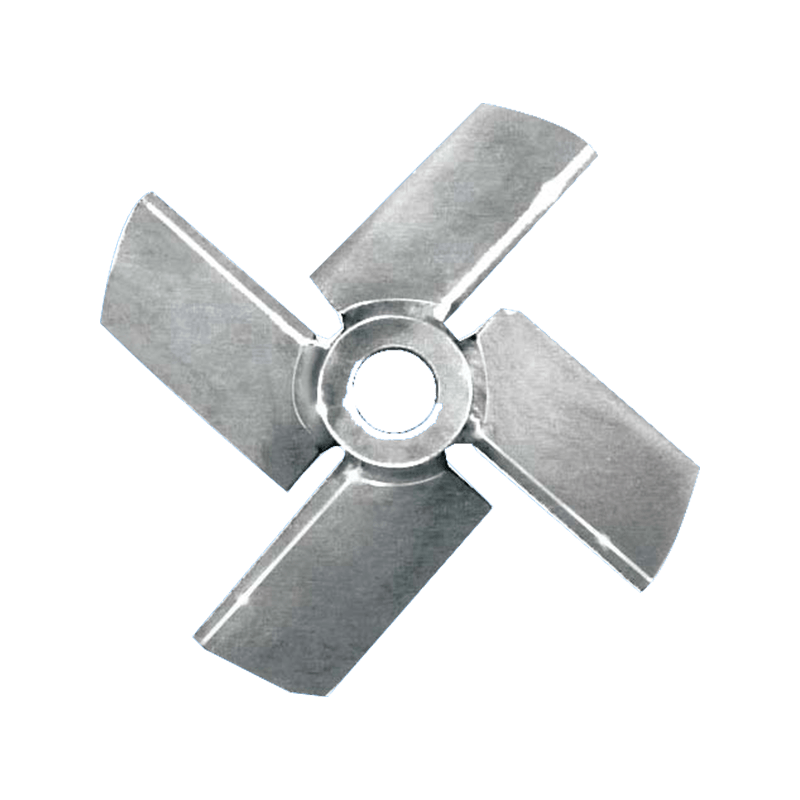
Nantong Hennly has conducted extensive research in the field of high-speed dispersers. For different materials and process requirements, Hennly offers...
See Details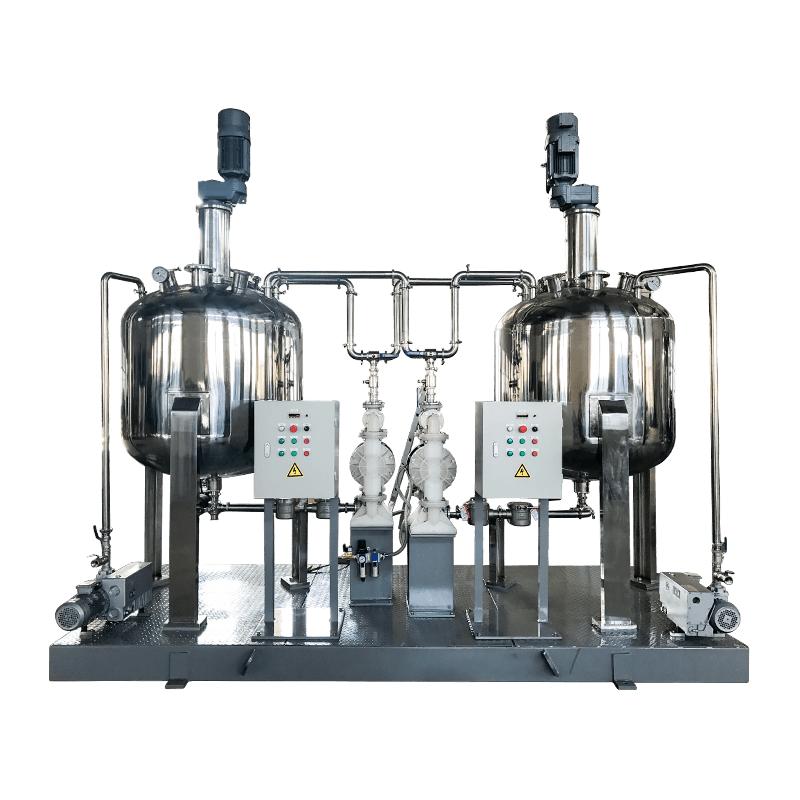
Hennly's mixing tanks are composed of a tank body and a mixing system. The tank is made of stainless steel, with a jacket for heating or cooling and a...
See Details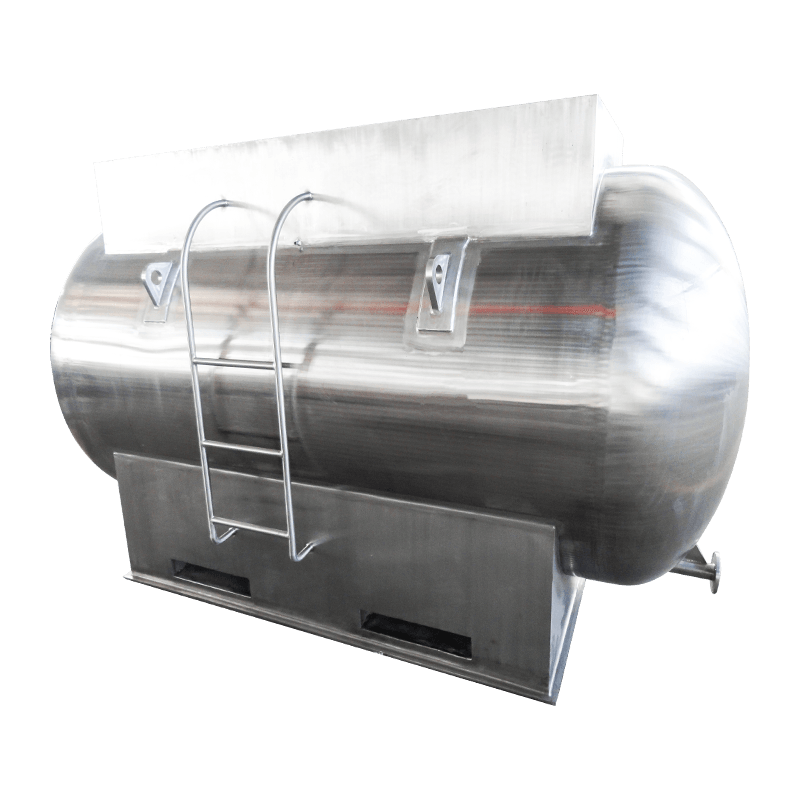
Hennly’s atomization pots are mainly used in the production of tin powder. A furnace is installed on the top of the atomization tank, and molten tin d...
See Details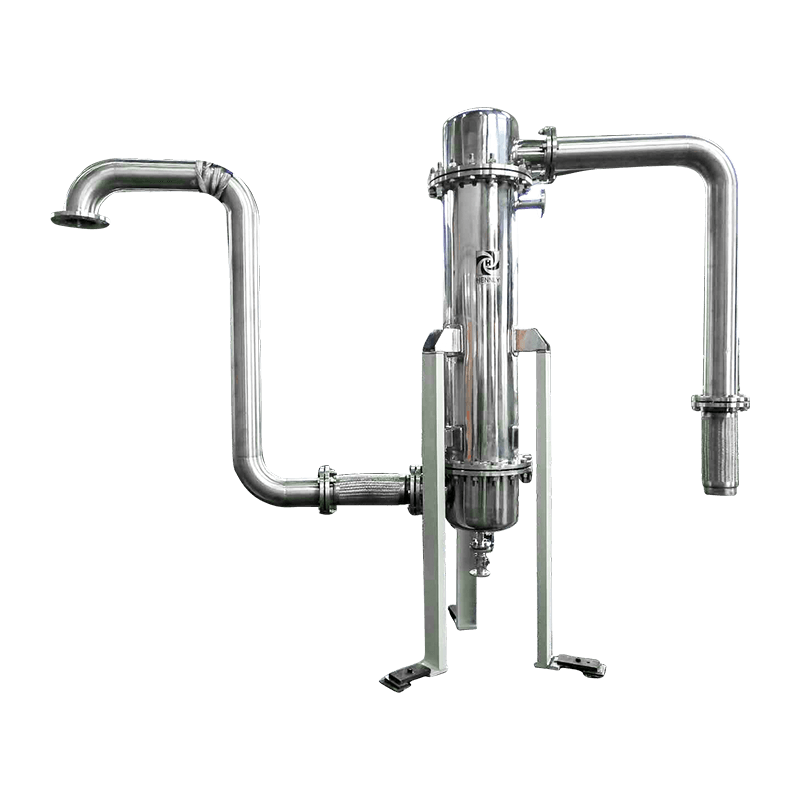
Hennly’s heat exchangers are designed for rapid heat transfer and high heat exchange efficiency. They can heat cold liquid water to boiling point quie...
See Details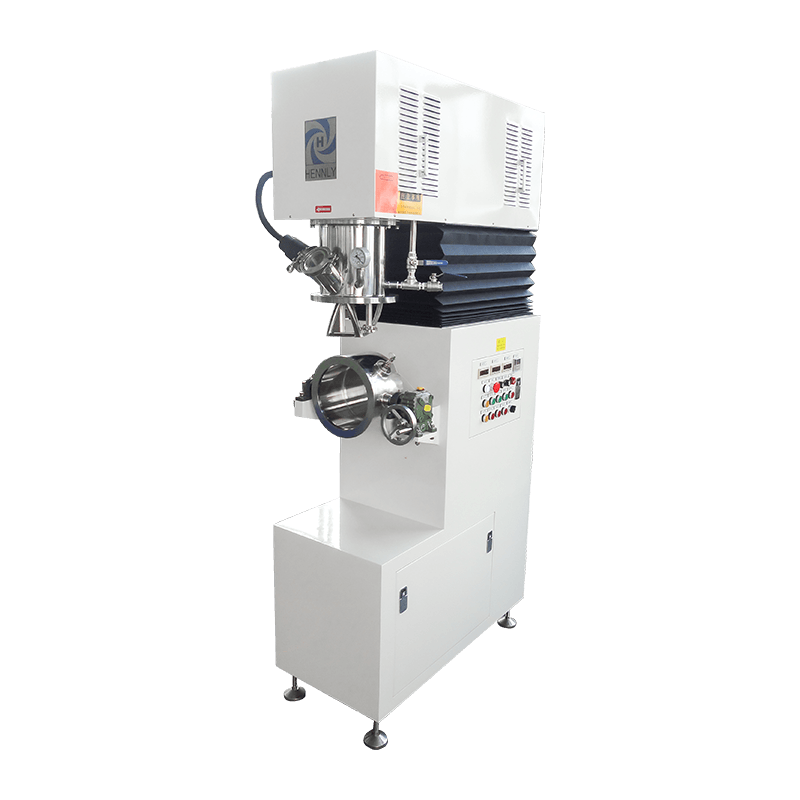
Feature: Small capacity, high hygiene level, high flexibility Lab Planetary Mixer is mainly used for customer’s pre-research. Above various types of m...
See DetailsExperienced employees & experts are Always At Your Service to provide you with satisfactory products & professional instruction on technical problem solutions.

Add: No.36 Dragon Road, Technology Park, Qidong City, Jiangsu Province

Phone: +86-13806285652

Tel:+ 86-0513-83635488

Fax:+ 86-0513-83635488

E-mail: andyli@hennly.com