English
 Deutsch
Large Production Capability Mixer
Cat:Multi-Shaft Mixer
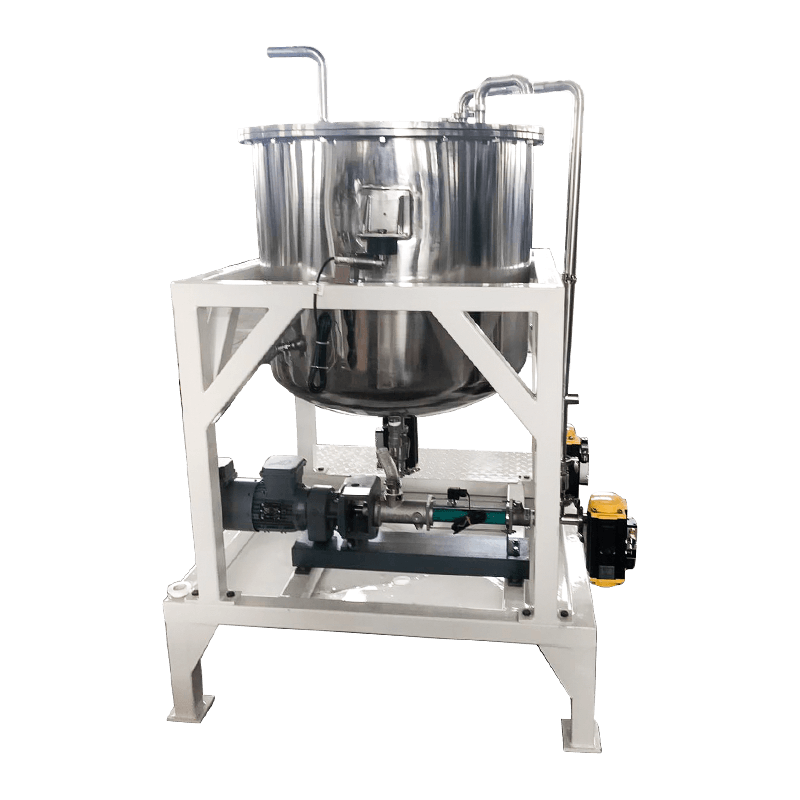
In mass production, conventional equipment structures may no longer be suitable. The drive unit is typically fixed directly to the mixing tank. These ...
See DetailsIn the field of high-performance material preparation, the vacuum retention capability of an Industrial Double Planetary Mixer is a core indicator for ensuring consistent deaeration and preventing oxidation. However, in actual industrial production, Vacuum Drop is a common challenge for maintenance engineers. Technical tracing reveals that over 70% of vacuum leaks originate from the failure of the Mechanical Seal. This analysis explores the key factors leading to mechanical seal failure from a professional perspective to help enterprises reduce equipment failure rates and improve product yield.
Materials processed in an Industrial Double Planetary Mixer typically feature high viscosity and high solid content. Under the alternating action of high-speed rotation and revolution, the end faces of the dynamic and static rings of the mechanical seal bear immense frictional pressure.
Particle Intrusion: When processing slurries containing hard ceramic powders or metal particles, tiny particles entering the seal end faces act as abrasives, rapidly forming radial scratches. This microscopic destruction damages the tightness of the sealing interface, leading to vacuum leakage.
Carbonization from Dry Friction: If the lubricant (usually cooling oil or degassing oil) in the seal chamber is insufficient or the circulation is interrupted, the seal end faces generate instantaneous high temperatures under high-speed operation. This heat causes the sealing material to undergo thermal cracking or even carbonization, causing the sealing surface to lose its original flatness.
In the structure of a mechanical seal, the performance of auxiliary sealing rings (such as O-rings) directly determines the vacuum holding power of the entire system.
Chemical Compatibility Challenges: Solid-state battery slurries or special adhesives often contain strong polar solvents. If the Industrial Double Planetary Mixer uses improper sealing ring materials (such as Viton or FFKM), solvents can penetrate the rubber molecular chains, causing the rings to swell, deform, or harden and crack, eventually losing their compensatory sealing effect.
Thermal Aging Deformation: Long-term exposure to high-temperature mixing environments causes permanent compression set in auxiliary sealing rings. When vacuum negative pressure increases, the deformed ring cannot provide sufficient pre-tightening force, allowing atmospheric air to seep into the mixing tank through the gaps.
The complex structure of the double planetary mixer, where the planetary carrier and agitator shafts transmit huge torque, creates dynamic load challenges for the mechanical seal.
Run-out Caused by Bearing Wear: When the main bearing experiences wear or a drop in precision, the Radial Run-out of the agitator shaft may exceed the allowable compensation range of the mechanical seal (usually exceeding 0.05mm). This high-frequency oscillation prevents the sealing surfaces from fitting in real-time, causing instantaneous fluctuations and loss of vacuum pressure.
Pressure Pulse Impact: During material feeding or direction changes with high-viscosity materials, drastic changes in internal pressure generate axial impact forces. If the spring compensation mechanism of the mechanical seal is slow to respond or the spring suffers from fatigue, the sealing surfaces may be momentarily pushed apart, leading to serious vacuum leakage.
The stability of the mechanical seal highly depends on its associated Cooling System.
Cooling Chamber Scaling: Many factories use untreated hard water as a cooling medium. Long-term operation leads to scaling inside the seal cooling chamber, severely affecting heat exchange efficiency. The heat generated by the sealing surface cannot be carried away in time, leading to thermal distortion of the seal end face and breaking its optical smoothness, which triggers a vacuum drop.
Lubricating Oil Contamination: Mechanical seals often adopt a double-end face structure filled with sealing oil. If the sealing oil is contaminated by material vapors or becomes emulsified, its lubrication and sealing functions will be significantly weakened. Regular testing of the sealing oil state is a necessary measure to maintain the high vacuum of the Industrial Double Planetary Mixer.
Statistics show that approximately 15% of mechanical seal failures stem from improper initial installation.
Damaged Sealing Surfaces: During assembly, leaving fingerprints, grease, or tiny scratches on the seal end faces can create a breeding ground for vacuum leaks.
Uneven Tightening Force: Unbalanced tightening torque of the gland bolts leads to the tilting of the seal gland, causing uneven force on the dynamic and static rings during operation and accelerating eccentric wear.
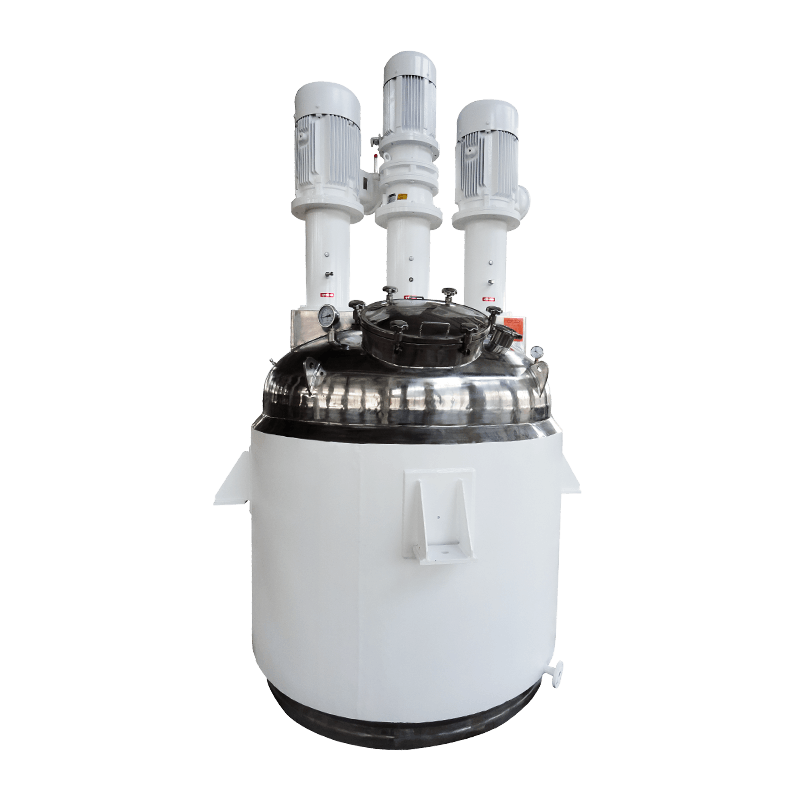
In mass production, conventional equipment structures may no longer be suitable. The drive unit is typically fixed directly to the mixing tank. These ...
See Details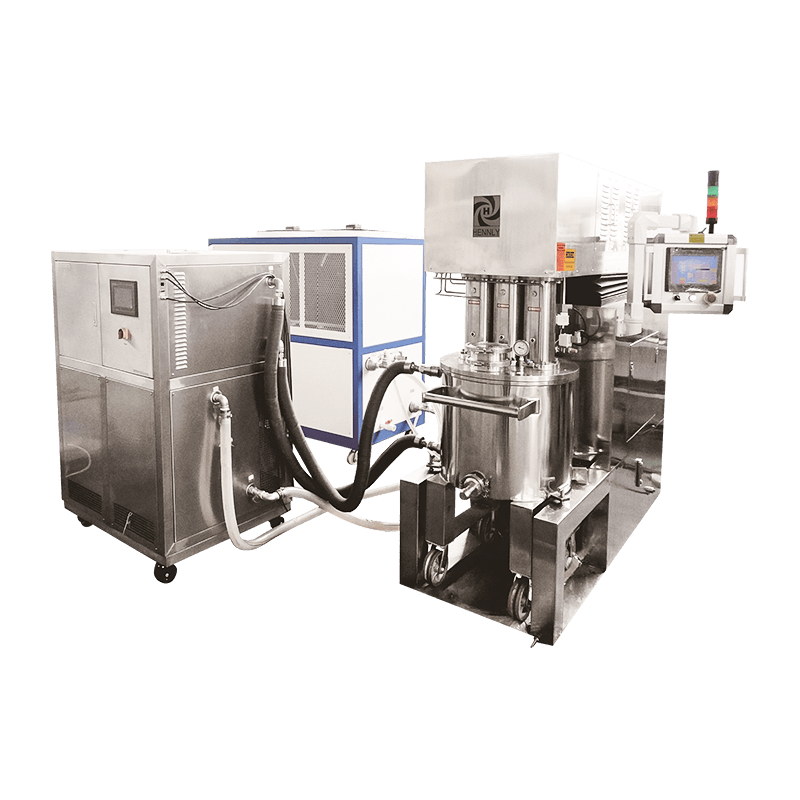
As the power of electronic products increases, the heat generated by components also rises accordingly. Conventional soldering materials and conductiv...
See Details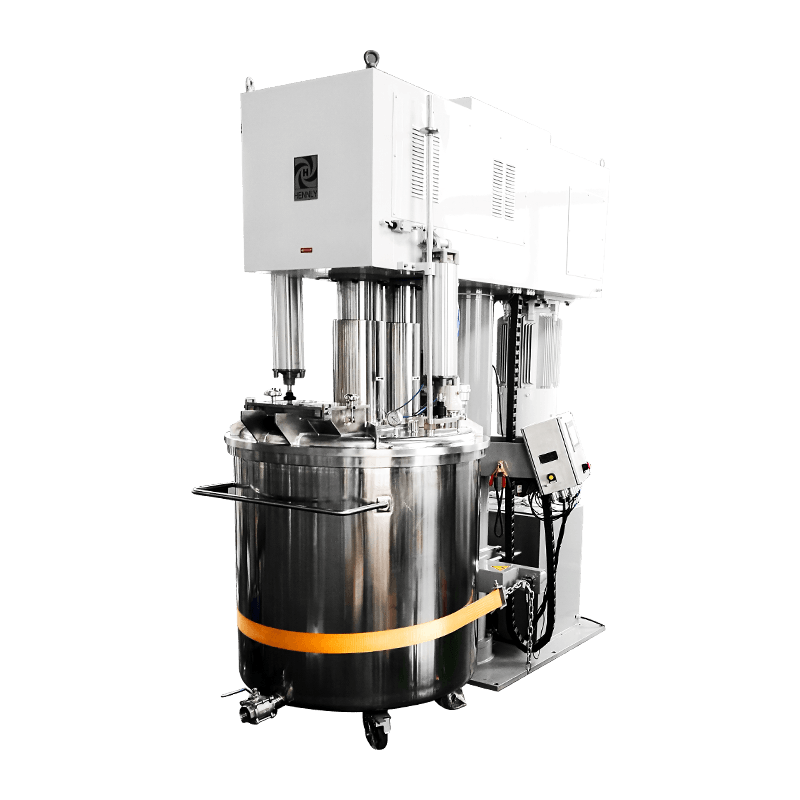
The two-shaft mixer is usually composed of a group of high-speed and a group of low-speed mixers, which can mix different particles in a short time to...
See Details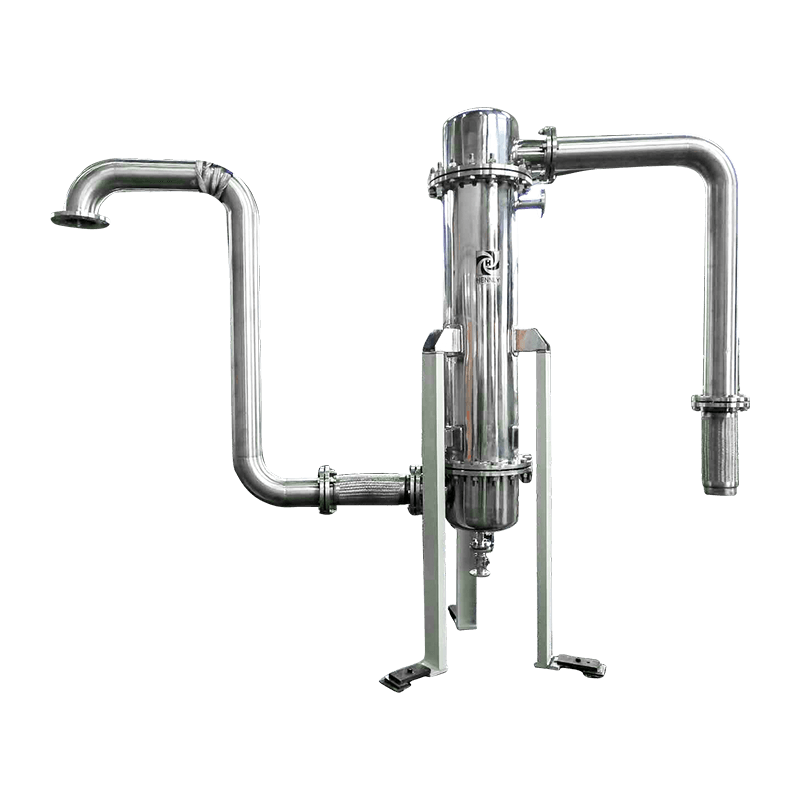
Hennly’s heat exchangers are designed for rapid heat transfer and high heat exchange efficiency. They can heat cold liquid water to boiling point quie...
See Details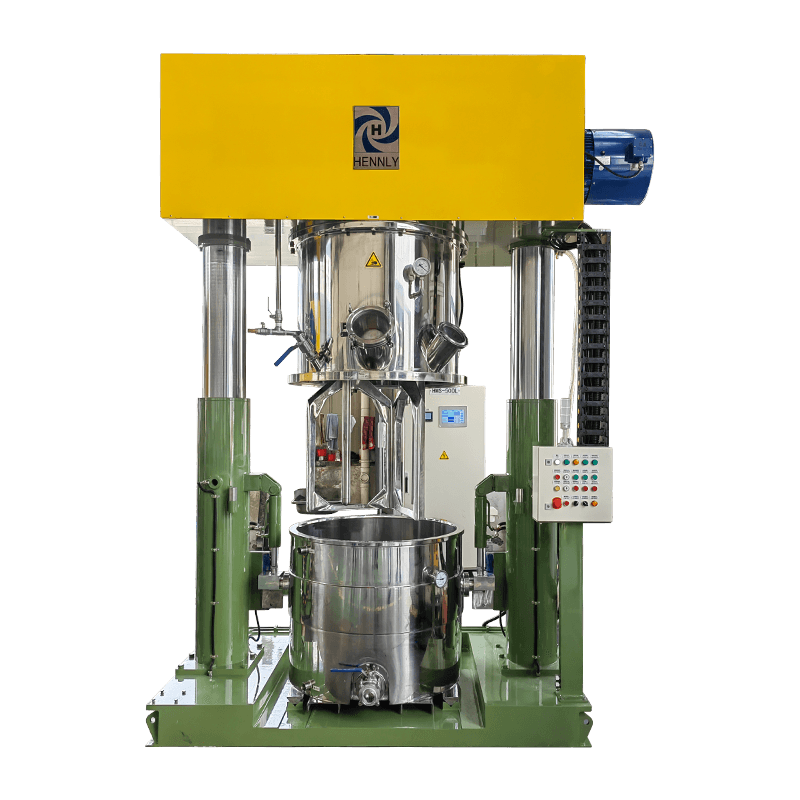
Features: fluidity, adjustable scraper Rectangular Blades Planetary Mixer is composed of two rectangular type of agitator blades. According to materia...
See Details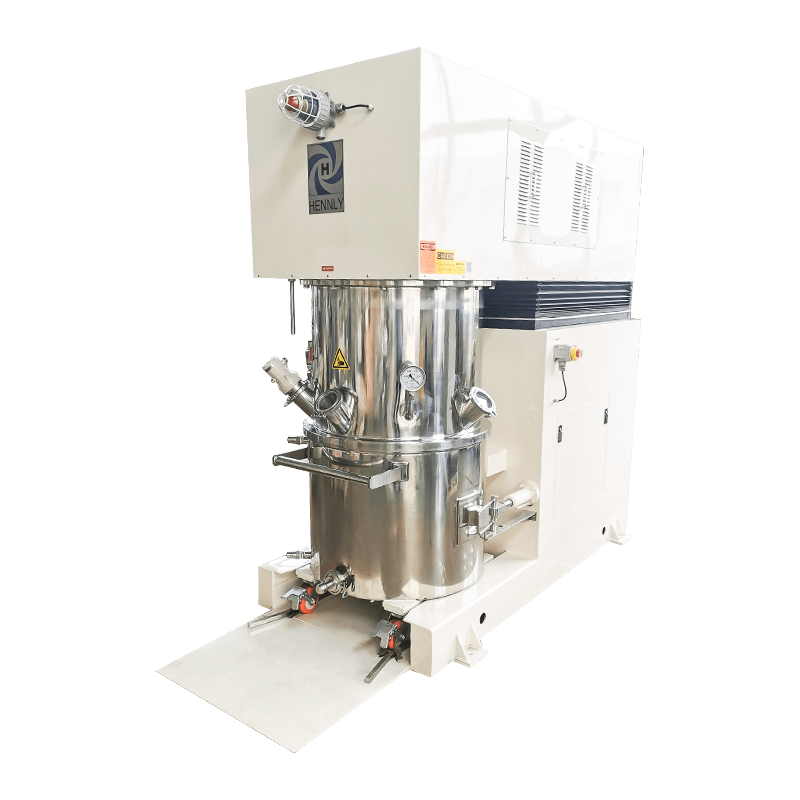
Features: claw-type stirring paddle, higher viscosity materials, short time, full functions The claw blades planetary mixer is mainly used for product...
See Details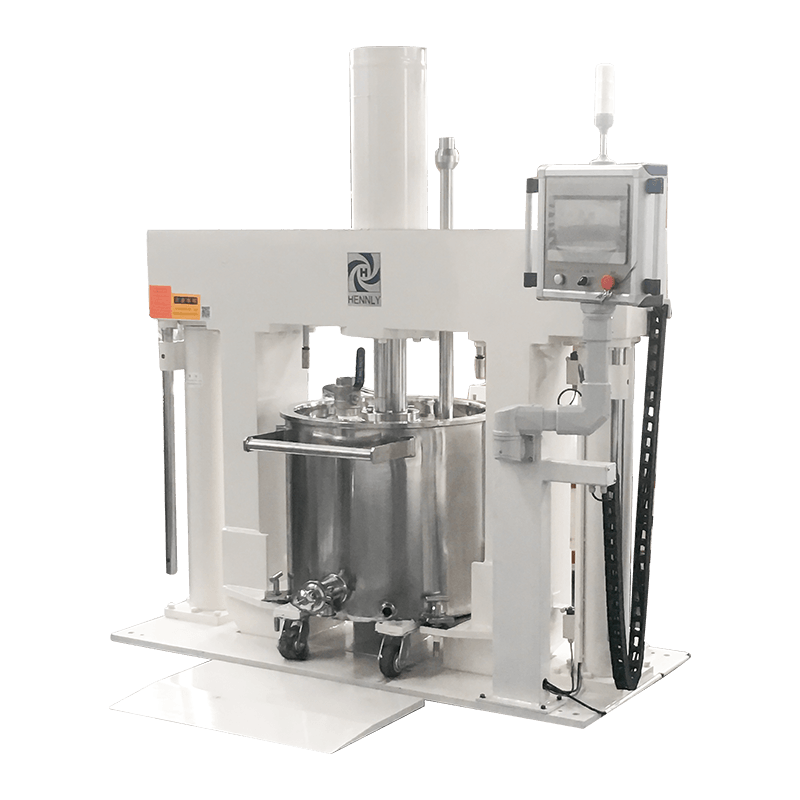
In order to meet the higher value-added product process and achieve zero pollution to the product, we use the servo electric cylinder instead of the t...
See DetailsExperienced employees & experts are Always At Your Service to provide you with satisfactory products & professional instruction on technical problem solutions.

Add: No.36 Dragon Road, Technology Park, Qidong City, Jiangsu Province

Phone: +86-13806285652

Tel:+ 86-0513-83635488

Fax:+ 86-0513-83635488

E-mail: andyli@hennly.com