


 English
 Deutsch
Home / News / Industry News / How can a large-capacity production mixer ensure stability and efficient operation
How can a large-capacity production mixer ensure stability and efficient operation
In modern industrial production, large production capability mixers are essential equipment in sectors such as chemicals, food, pharmaceuticals, and more. Their high efficiency and stable operation not only improve production capacity but also ensure consistent product quality. To achieve these goals, several critical factors in design and operation need to be optimized. This article will explore, from a professional standpoint, how large production capability mixers ensure both stability and efficient operation.
1. Efficient Power System Design
The power system of a large mixer is crucial for ensuring its stability and efficiency. Depending on the production requirements, the power system needs to provide sufficient torque to handle large-scale production’s mixing forces. To avoid power shortages or overloads, careful selection of motors and a variable frequency drive (VFD) system are essential. The VFD can adjust the motor speed according to material viscosity, optimizing energy consumption and reducing power usage.
Furthermore, the drive system must be reliable and durable. High-quality gearboxes and drive shafts are commonly used to ensure that the equipment operates smoothly over extended periods, reducing the frequency of mechanical failures.
2. Stable Mixing Process Control
To ensure consistent and efficient mixing, the mixing process must be carefully controlled. Advanced automation control systems use modern PLC (Programmable Logic Controller) and sensor technology to monitor critical parameters in real-time, such as mixing speed, temperature, pressure, and more. When production conditions change, the control system automatically adjusts the operation of the mixer to ensure the process remains in optimal working conditions.
Moreover, the control system should have fault detection and alarm functions. In the event of abnormal conditions, the system will promptly issue an alert, automatically shut down, or adjust parameters to prevent equipment damage or product quality issues from prolonged instability.
3. Precision Mixing Mechanics Design
The stability and efficiency of a large production mixer are closely related to its mixing mechanics design. Typically, large mixers are equipped with various types of mixing blades, such as helical, anchor, or paddle mixers, each suited for different production environments and material types.
For example, when mixing high-viscosity materials, an anchor mixer is particularly effective in reducing resistance to the mixer blades, ensuring uniformity and efficiency. Moreover, the layout and rotation direction of the mixing blades are optimized to avoid dead zones and material buildup, ensuring complete and efficient mixing of materials.
4. Material Selection and Wear Resistance
The material selection for large production mixers directly affects their stability and service life. Large mixers often operate in harsh environments, where prolonged heavy-duty operation can lead to wear and corrosion. Therefore, key components, such as mixing shafts, blades, and gearboxes, are typically made of high-strength, wear-resistant alloys to withstand long-term use.
For certain specialized materials, such as corrosive chemicals, the internal lining of the mixer is often made of stainless steel or other specialized alloys to extend the service life and minimize downtime due to material degradation.
5. Efficient Cooling and Heat Dissipation Systems
In large-scale production, mixers generate significant heat during operation, especially in motor and gearbox components. If the heat is not effectively dissipated, it can lead to overheating, which impacts both performance and longevity. Therefore, an efficient cooling system is crucial to maintaining stability and efficiency.
Most large mixers are equipped with liquid cooling or air cooling systems to maintain an optimal working temperature. By utilizing cooling pipes or heat dissipation fins, the system effectively removes heat generated by the equipment, preventing overheating and ensuring continuous and stable operation, particularly in continuous production settings.
6. Advanced Monitoring and Maintenance Technology
Regular monitoring and maintenance are vital for ensuring that large production capability mixers operate efficiently. Advanced monitoring technologies allow real-time tracking of the mixer’s operating conditions, with data analysis used to predict potential failures. This data helps enhance the reliability of the equipment and enables preventive maintenance before failures occur, reducing production downtime.
Today, many large mixers are equipped with remote monitoring systems, transmitting real-time data to a central control hub via the internet. This allows for remote diagnostics and adjustments, which significantly improves operational stability and efficiency while minimizing human error.
7. Optimized Design and Modular Production
The design of large production mixers plays a pivotal role in their stability and efficient operation. Modern mixer designs tend to be modular, with components such as motors, mixing blades, and control systems typically being standardized and modular. This allows for easier assembly and maintenance during production.
The modular design not only facilitates quick replacement of damaged parts but also enhances the flexibility and maintainability of the equipment. Optimized designs also help minimize vibrations and noise during high-load operations, ensuring smoother and more stable operation while reducing mechanical failure.
Previous Post
What are the main functions and application areas of large-capacity production mixers
Next Post
What are the common wear parts of a double-axis hybrid mixer
Related Products
-
-
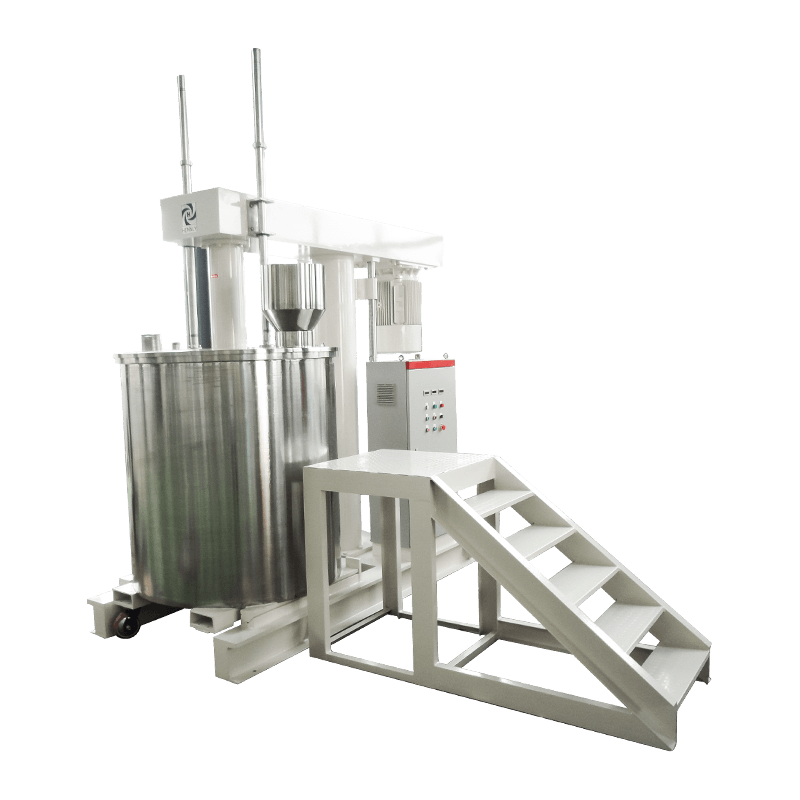
Standard Disperser
Cat:High Speed Disperser
The standard high-speed disperser typically offers two lifting options: hydraulic lift and pneumatic lift. The effectiveness of high-speeddispersion d...
See Details -

Standard Disperser
Cat:High Speed Disperser
The lab-type disperser is a device specially designed for laboratory environments, which combines the functions of dispersion and mixing and is especi...
See Details -
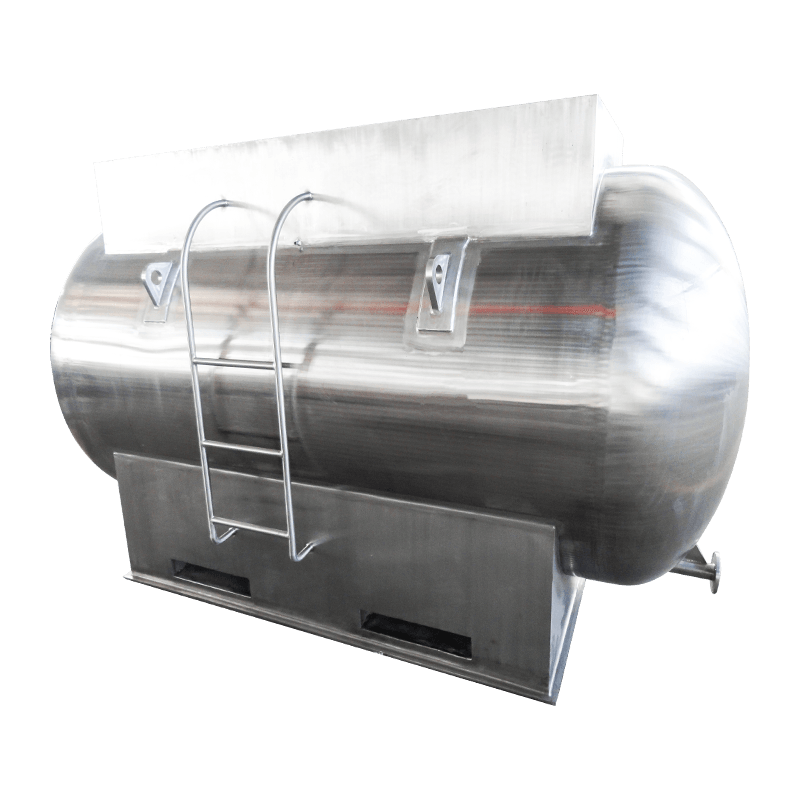
Storage Tank
Cat:Stirred Kettle Storage Tank
Hennly’s atomization pots are mainly used in the production of tin powder. A furnace is installed on the top of the atomization tank, and molten tin d...
See Details -
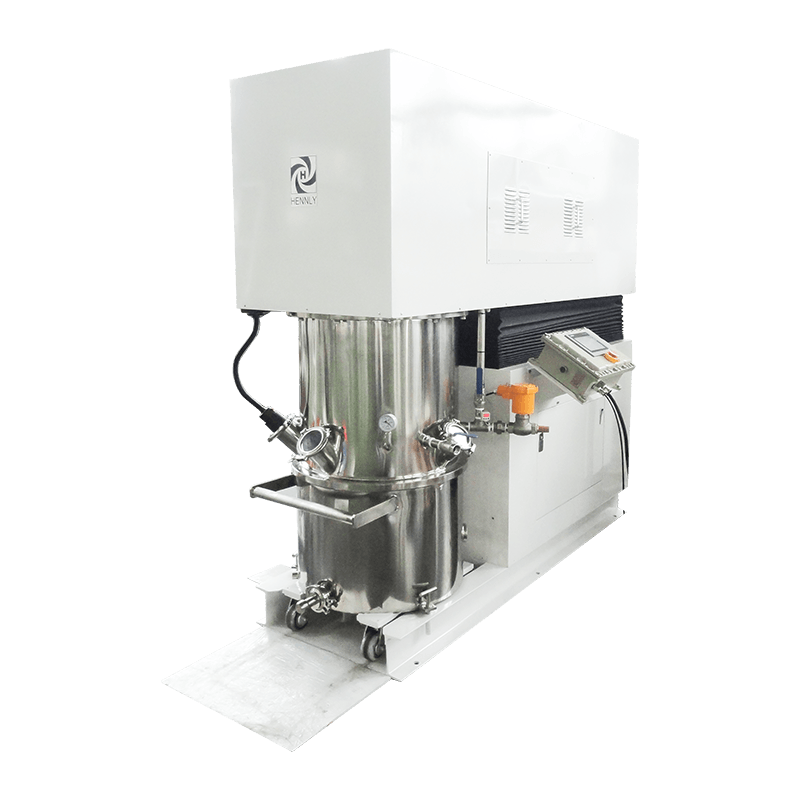
Double Planet Emulsification Machine
Cat:Double Planetary Disperser
In order to further improve the particle size and refinement of the material, a set of high-shear emulsifying devices is added to the standard planeta...
See Details -
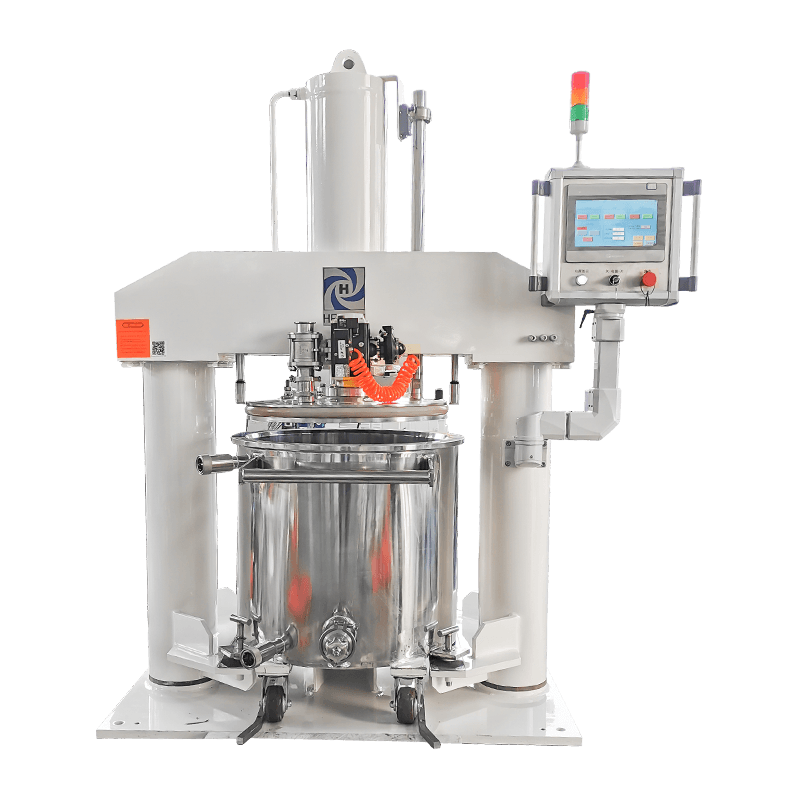
Fixed Discharge System
Cat:Discharge System
If the container is designed with an elevated base that meets the required discharge height, the fixed discharge system can be used directly. This sys...
See Details
Are you interested in our products?
Experienced employees & experts are Always At Your Service to provide you with satisfactory products & professional instruction on technical problem solutions.
NanTong Hennly Machinery Equipment Co., Ltd.
-

Add: No.36 Dragon Road, Technology Park, Qidong City, Jiangsu Province
-

Phone: +86-13806285652
-

Tel:+ 86-0513-83635488
-

Fax:+ 86-0513-83635488
-

E-mail: andyli@hennly.com
