English
 Deutsch
Dispersing Mixer
Cat:Multi-Shaft Mixer
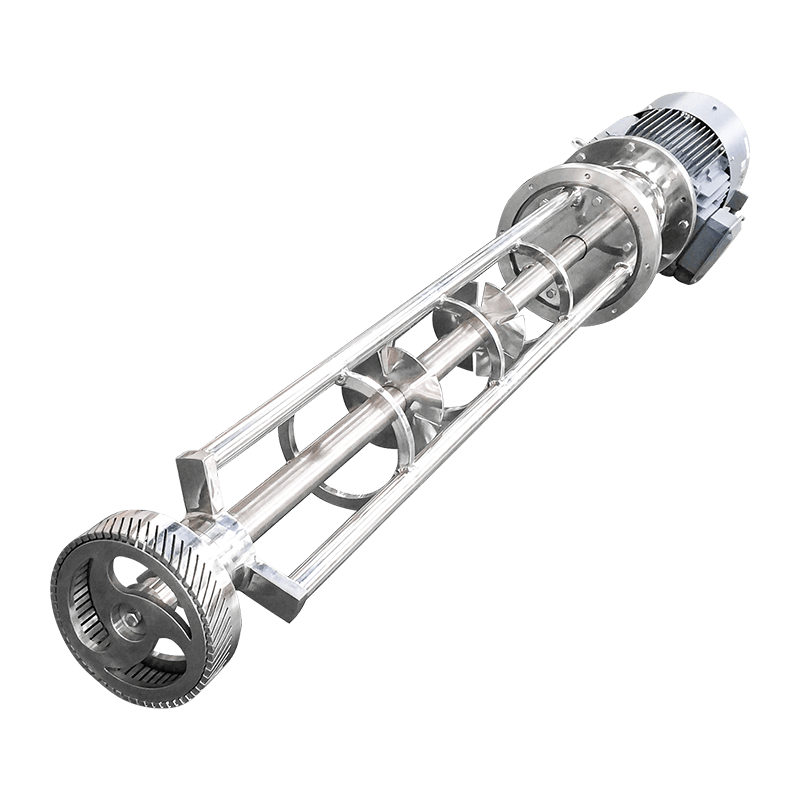
The dispersing mixer is designed primarily for mixing granular materials, where particle size requirements are crucial, and there is also a high deman...
See DetailsThe Double Axis Hybrid Mixer is a widely used high-efficiency mixing device in modern industrial production. Its core feature is the presence of two synchronized shafts: a helical conveyor shaft and a paddle or impeller shaft. The helical shaft drives material circulation within the mixing chamber, while the paddle shaft provides cutting, dispersing, and shearing. Long-term operation under high load, high viscosity, or large batch production can lead to equipment wear. Identifying common wear parts is crucial for maintenance and optimizing production efficiency.
Bearings are critical components that support the rotation of both shafts. Continuous high-load operation, abrasive material particles, and elevated temperatures can accelerate bearing wear, causing increased rotation resistance, vibration, or abnormal noise. Seals, located at the interface between shafts and the machine body, prevent material leakage and protect bearings. Worn or aged seals can result in material seepage, further accelerating bearing damage and reducing equipment lifespan.
The helical shaft is responsible for material transport and circulation. High-viscosity materials or materials containing hard particles increase friction with the helical blades, leading to surface wear. Over time, this can manifest as shallower helical grooves, edge chipping, or shaft imbalance, affecting material flow efficiency and overall mixing uniformity. Material selection and surface treatment significantly influence the wear resistance of the helical shaft.
The paddle shaft provides localized shear and dispersion. Frequent friction and impact between the blades and materials, especially with high-hardness particles or fibrous materials, accelerate blade wear. Worn or deformed blades reduce shear force, lower mixing efficiency, and may cause material adhesion, uneven dispersion, or contamination with metal particles, impacting product quality.
The inner wall of the mixing chamber is in direct contact with materials, making it prone to abrasion. Hard or particulate materials create repeated impact and friction during operation, leading to surface scratches, dents, or thinning of the chamber wall. Severe wear may cause material stagnation, uneven mixing, and compromised sealing performance. Installing wear-resistant liners or using surface coating techniques can significantly extend service life.
The mixer’s power is transmitted via couplings, gears, or pulleys. Continuous high-load operation or misalignment can cause wear and fatigue, manifesting as increased backlash, vibration, or abnormal noise. Worn transmission components affect shaft speed synchronization, potentially accelerating bearing wear and reducing overall mixing efficiency.
Analyzing wear patterns is essential for effective maintenance. Bearings should be regularly lubricated, and seals replaced according to service life. Helical and paddle shafts can be manufactured from wear-resistant materials or surface-hardened to reduce friction. Chamber walls can be lined with abrasion-resistant materials such as ceramic or hard alloy coatings. Transmission components should maintain precise alignment, with periodic inspections of gears and couplings to prevent secondary damage.
Understanding common wear parts enables companies to implement scientific maintenance plans, minimizing downtime and increasing production efficiency. Proper maintenance ensures stable operation, prolongs equipment lifespan, and reduces replacement costs. Wear analysis and preventive measures are especially valuable in food, chemical, pharmaceutical, and construction industries where large-batch production is common.
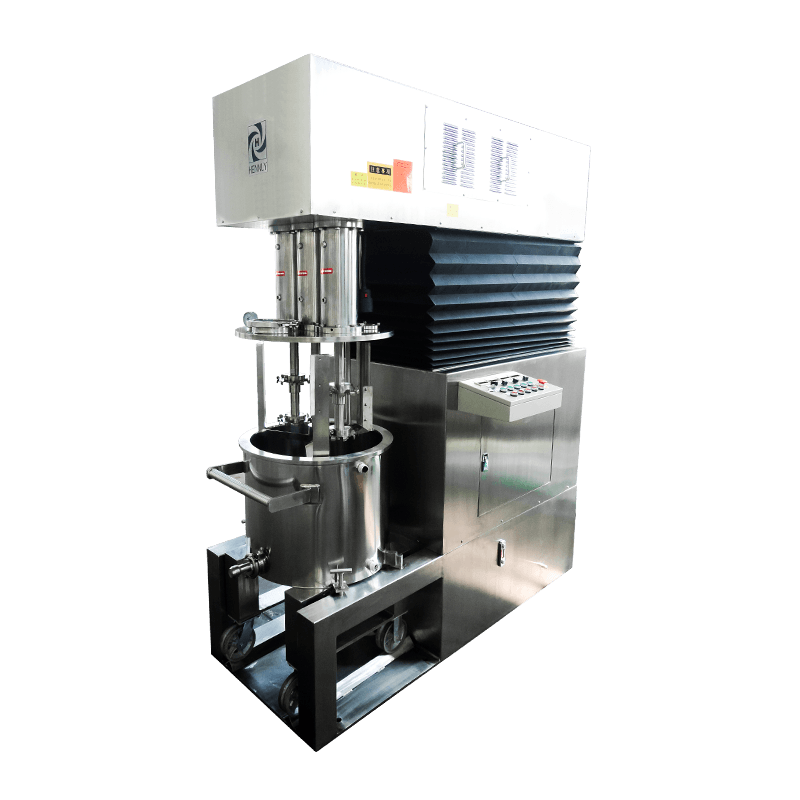
The dispersing mixer is designed primarily for mixing granular materials, where particle size requirements are crucial, and there is also a high deman...
See Details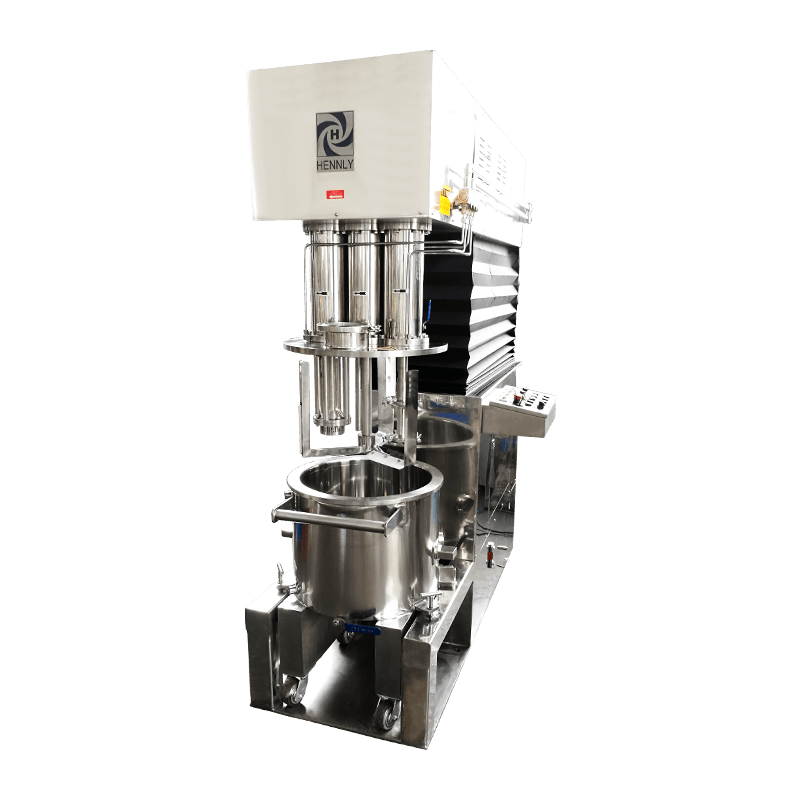
The high-shear emulsifying head of the emulsified mixer offers various options depending on material needs, such as an open-type stator head, two-way ...
See Details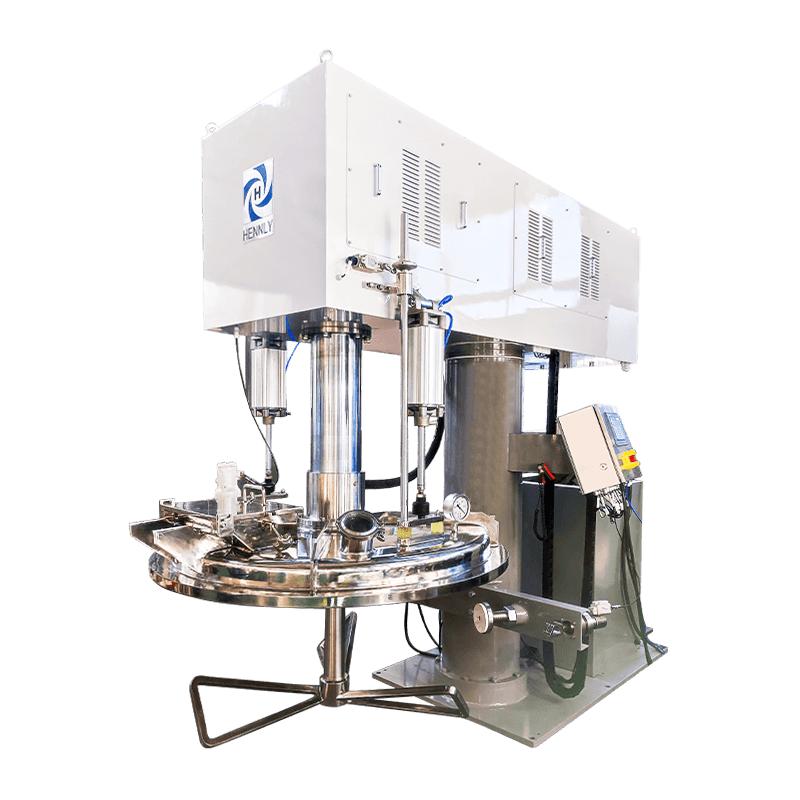
High torque mixer plays an important role in thixotropic material mixing. Mixers usually need to withstand large torque to ensure the stability and ef...
See Details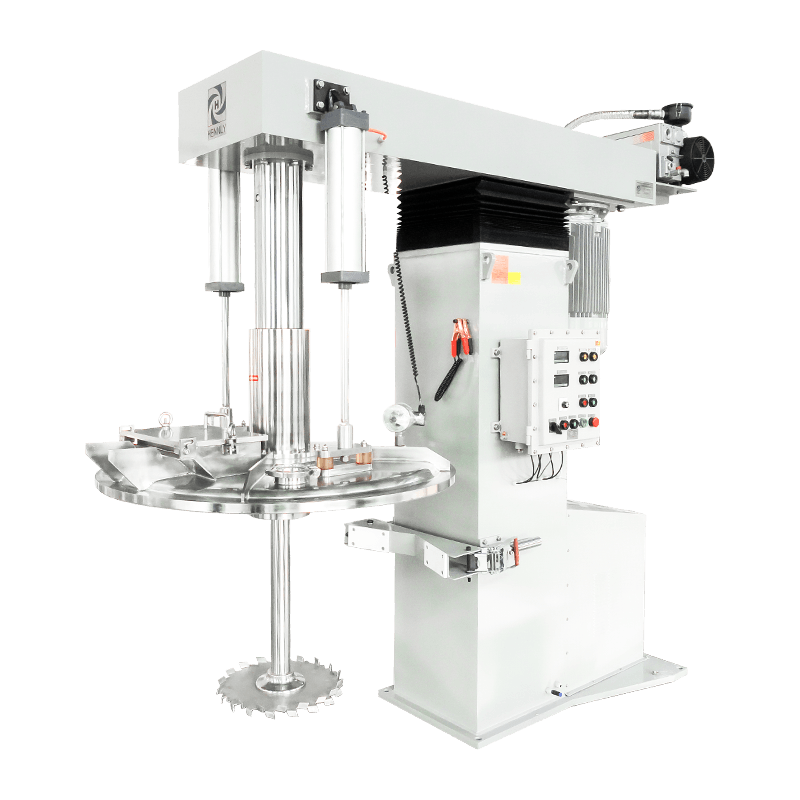
The vacuum raised and lowered disperser is a newly optimized product based on the combination of a vacuum disperser and a scraper disperser. it operat...
See Details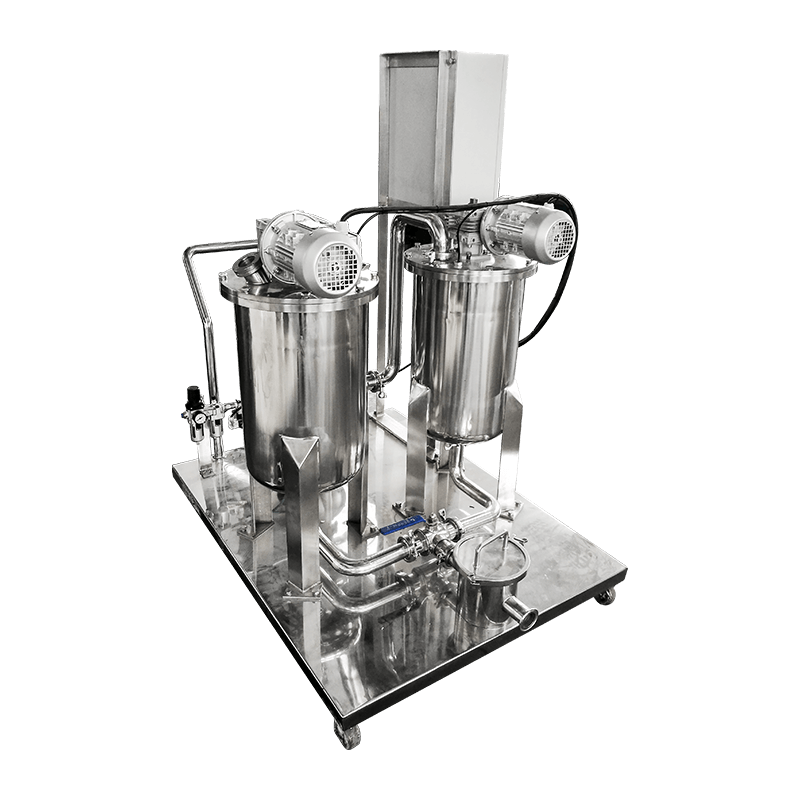
The corrosion-resistant multi-bag stainless steel chemical filter is specially designed to remove solid particles from liquids, thereby effectively pr...
See Details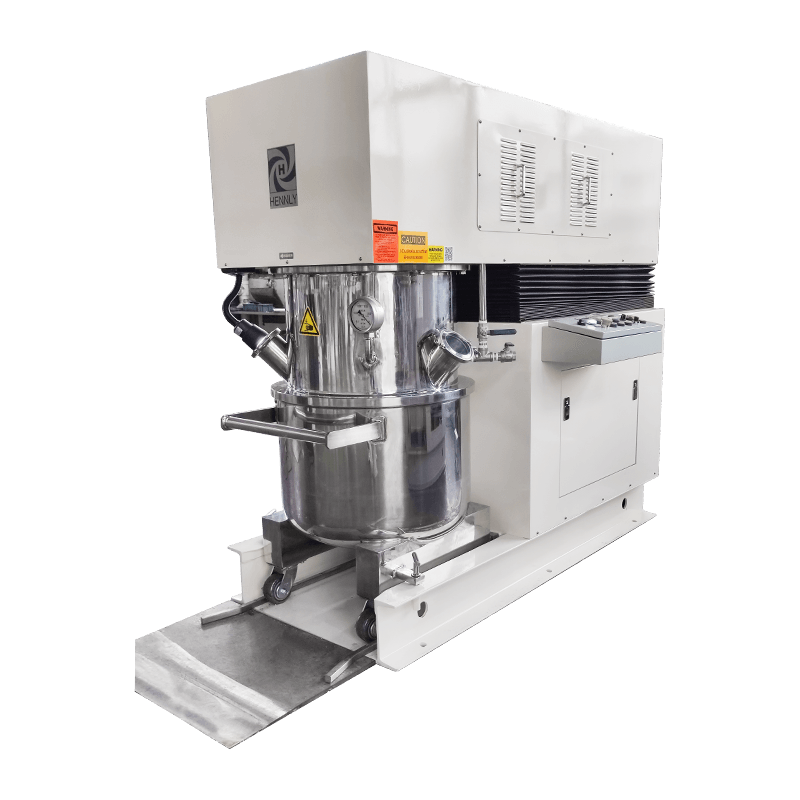
Fea'ture: Hook-type stirring paddle, Special container, High speed The hook planetary mixer consists of two hook-shaped stirring paddles. The upper pa...
See Details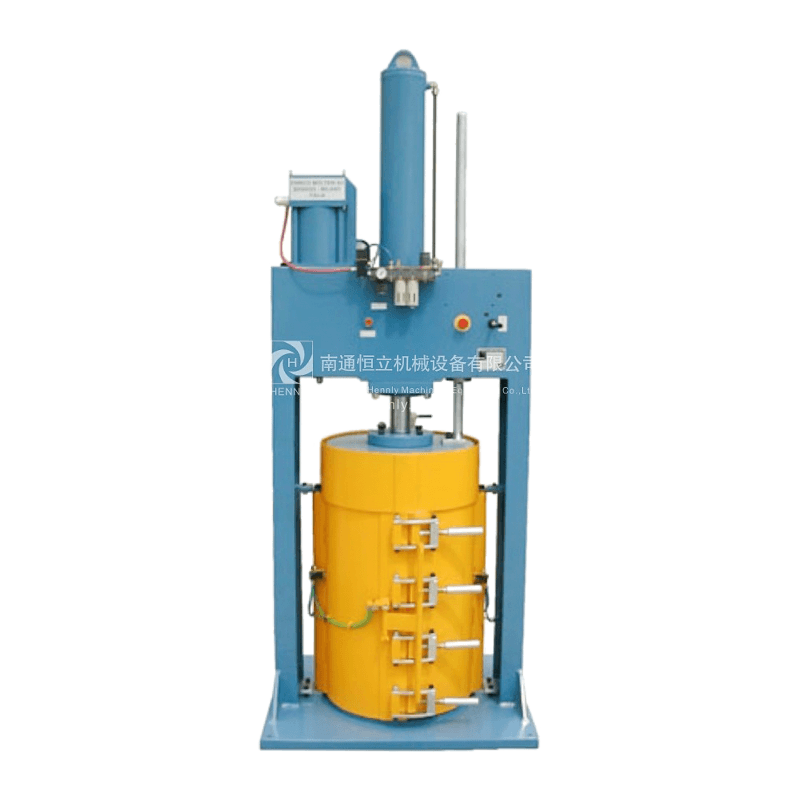
Hennly Discharge System widely used in high viscosity materials for filling and packing. lt is mainly used with Double Planetary Mixer & Planetary...
See DetailsExperienced employees & experts are Always At Your Service to provide you with satisfactory products & professional instruction on technical problem solutions.

Add: No.36 Dragon Road, Technology Park, Qidong City, Jiangsu Province

Phone: +86-13806285652

Tel:+ 86-0513-83635488

Fax:+ 86-0513-83635488

E-mail: andyli@hennly.com