English
 Deutsch
Double Axis Hybrid Mixer
Cat:Multi-Shaft Mixer
The two-shaft mixer is usually composed of a group of high-speed and a group of low-speed mixers, which can mix different particles in a short time to...
See DetailsIn high-end manufacturing sectors such as lithium-ion battery slurry production, advanced adhesives, and semiconductor materials, the Vacuum Integrity of a Double Planetary Mixer is a critical performance metric. It directly influences degassing efficiency, prevents material oxidation, and ensures the structural homogeneity of the final product. When a system fails to reach or maintain the required vacuum level, it often stems from complex mechanical or thermal interactions. This technical brief examines the primary root causes of vacuum loss in industrial mixing environments.
The unique kinematics of a Double Planetary Mixer, involving both orbital revolution and axial rotation, place immense stress on the sealing assembly. Unlike static equipment, the dynamic nature of these shafts creates multiple potential leak paths.
Mechanical Seal Face Degradation: The primary barrier for maintaining Vacuum Integrity is the mechanical seal. If the processed material is highly abrasive or if fine powders migrate into the seal faces during dry mixing phases, micro-scratches can develop on the rotating and stationary rings. Even microscopic imperfections can lead to significant leakage under high vacuum conditions.
Barrier Fluid Pressure Fluctuations: Many double mechanical seals rely on a pressurized barrier fluid for cooling and lubrication. If the barrier fluid pressure drops below the internal vessel pressure, or if air bubbles become entrained in the fluid, the seal's effectiveness is compromised, leading to immediate Vacuum Integrity failure.
Elastomer Hardening: Under prolonged exposure to high processing temperatures, secondary seals such as O-rings or V-rings made of Viton or FFKM can undergo thermal degradation. As these elastomers lose their elasticity, they fail to maintain a tight grip on the shaft, allowing atmospheric air to seep into the vacuum chamber.
Leakage at static points is often harder to detect and frequently occurs following routine maintenance or cleaning cycles where components have been disassembled.
Main Tank Gasket Deformation: The large diameter of the Double Planetary Mixer tank requires a robust main gasket. During the frequent lifting and lowering of the mixer head, the gasket can become misaligned or unevenly compressed. If the gasket suffers from permanent plastic deformation or if dried material residue accumulates on the sealing surface, a perfect hermetic seal becomes impossible.
Vibration-Induced Loosening of Fittings: The high torque and power required to mix high-viscosity materials can generate subtle but constant vibrations. Over time, these vibrations may loosen vacuum line flanges, ball valve connections, or the threaded interfaces of the Pressure Sensor and vacuum gauges.
Sight Glass Seal Fatigue: Observation windows are subject to thermal stress during heating and cooling cycles. The gaskets surrounding the sight glass can become brittle over time, creating a common but often overlooked leak point.
In some instances, a decline in Vacuum Integrity is not caused by hardware failure but by the thermodynamics of the mixing process itself.
Solvent Vapor Pressure: When processing materials containing low-boiling-point solvents (such as NMP or Acetone), the shear heat generated during mixing can cause the local temperature to rise significantly. If the solvent begins to vaporize rapidly, the internal pressure increases. This "apparent leak" manifests as a drop in vacuum levels on the gauge, though it is actually caused by the internal generation of solvent vapor.
Vacuum Pump System Efficiency: If the Vacuum Pump System is not protected by an adequate Cold Trap or filtration unit, solvent vapors or aerosols can contaminate the pump oil. Emulsified oil or internal scaling within the pump head reduces the volumetric displacement rate, making it impossible to sustain the target vacuum level against the system's natural outgassing rate.
Shaft Run-out and Eccentricity: If the mixing shafts experience even slight deflection under heavy load, or if the Planetary Carrier was not machined to extreme tolerances, the shafts may exhibit run-out during rotation. This eccentric movement periodically forces the seal lips open, resulting in transient vacuum loss that is only observable while the mixer is in motion.
Thermal Deformation of the Vessel: For mixers equipped with heating jackets, uneven thermal expansion can occur if the heating rate is not controlled. This can lead to a slight warping of the tank flange, changing it from a perfect circle to a subtle oval shape, which breaks the seal with the mixer head.
To restore Vacuum Integrity, a systematic exclusion method is recommended:
Static Pressure Rise Test: Evacuate the empty vessel and monitor the pressure rise over time without the shafts rotating to distinguish between dynamic and static leaks.
Positive Pressure Soap Bubble Test: Pressurize the vessel with low-pressure nitrogen and apply a leak detection solution to all flanges, valves, and bolted interfaces.
Helium Mass Spectrometry: For high-precision applications, helium leak detection is the most definitive method for locating sub-micron leak paths in complex Double Planetary Mixer assemblies.
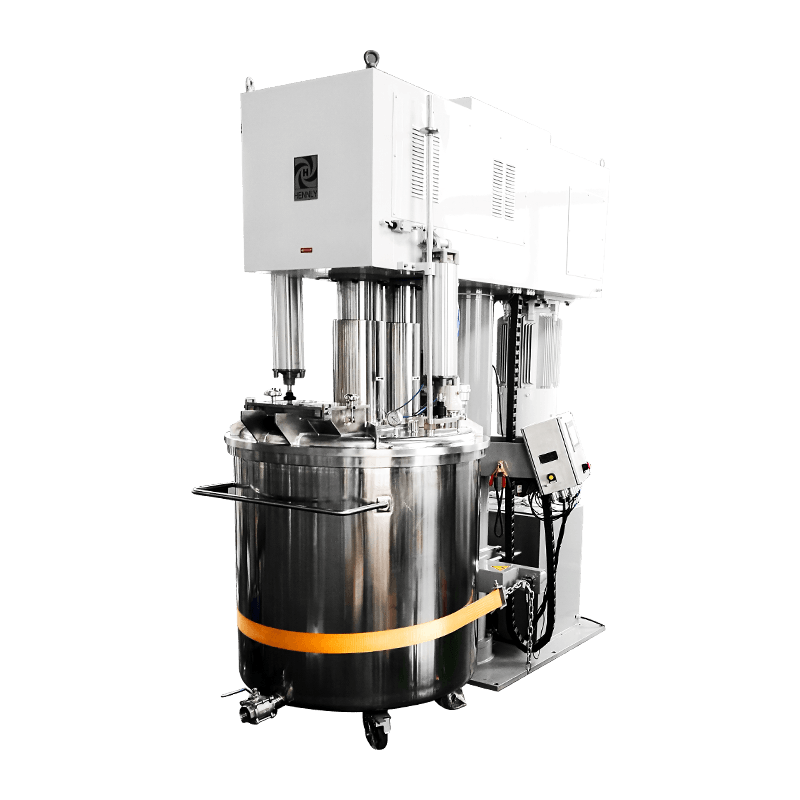
The two-shaft mixer is usually composed of a group of high-speed and a group of low-speed mixers, which can mix different particles in a short time to...
See Details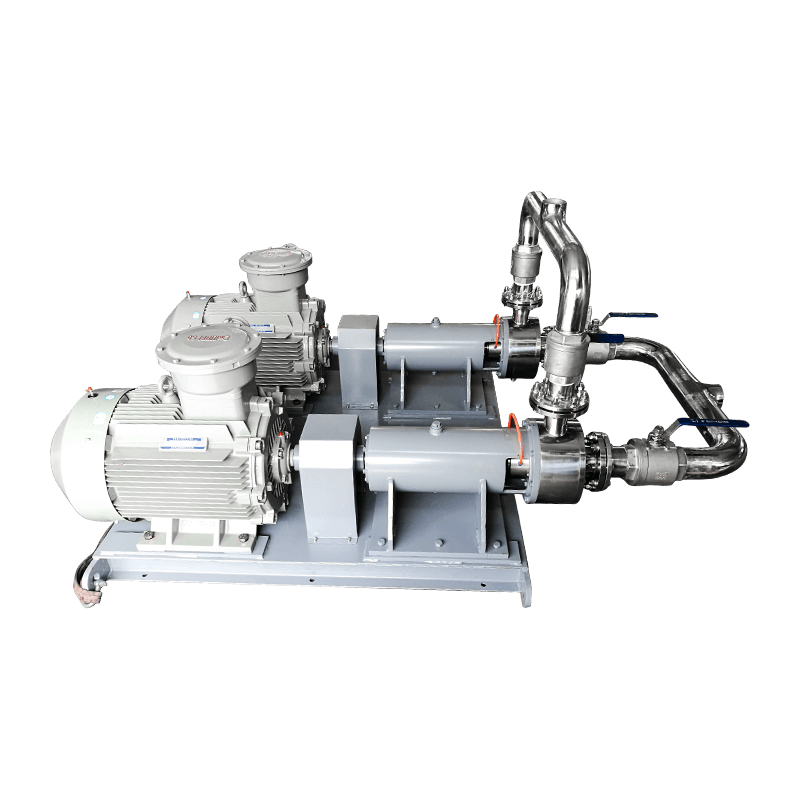
The advantages of grinding pumps include high linear velocity small and adjustable shear gaps, enhanced fluid turbulence. high-quality surface finishi...
See Details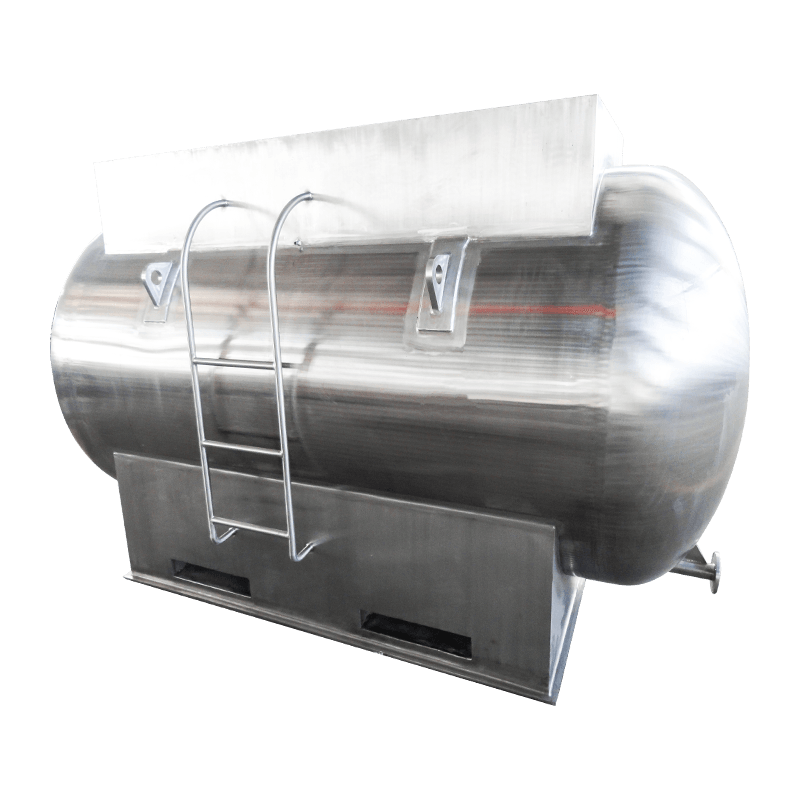
Hennly’s atomization pots are mainly used in the production of tin powder. A furnace is installed on the top of the atomization tank, and molten tin d...
See Details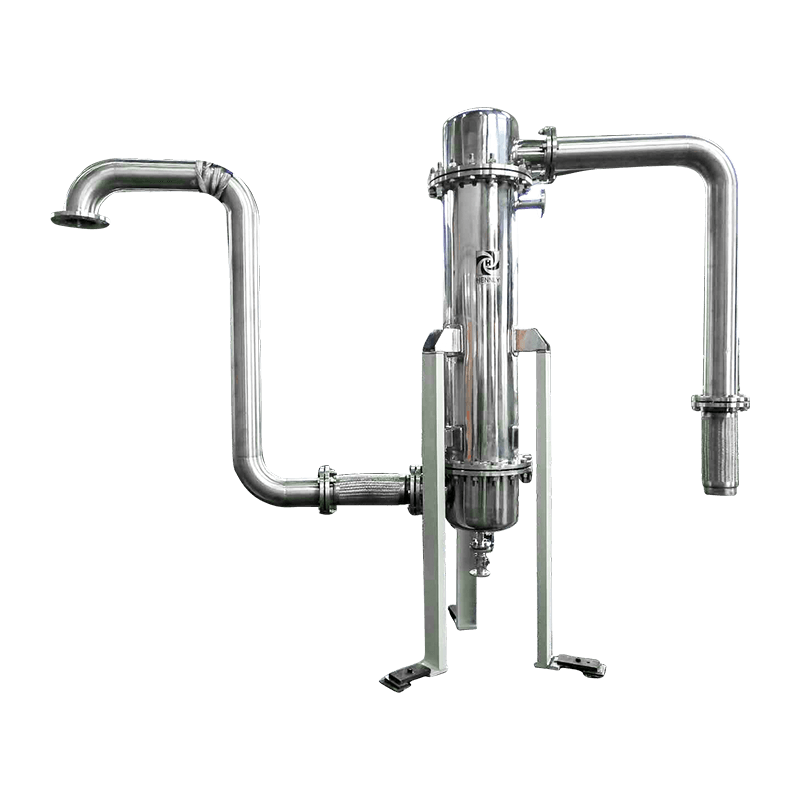
Hennly’s heat exchangers are designed for rapid heat transfer and high heat exchange efficiency. They can heat cold liquid water to boiling point quie...
See Details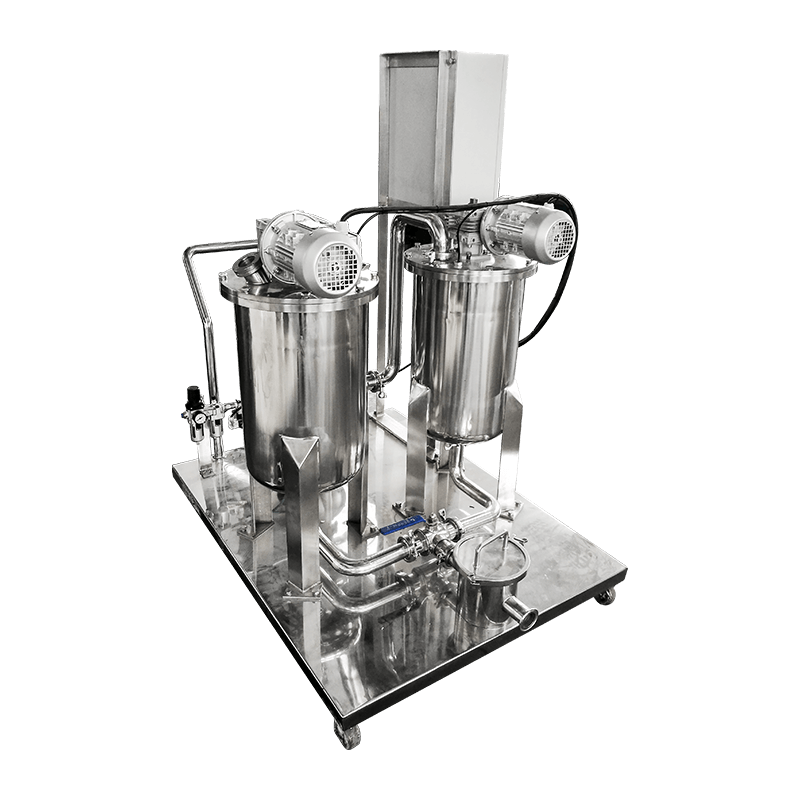
The corrosion-resistant multi-bag stainless steel chemical filter is specially designed to remove solid particles from liquids, thereby effectively pr...
See Details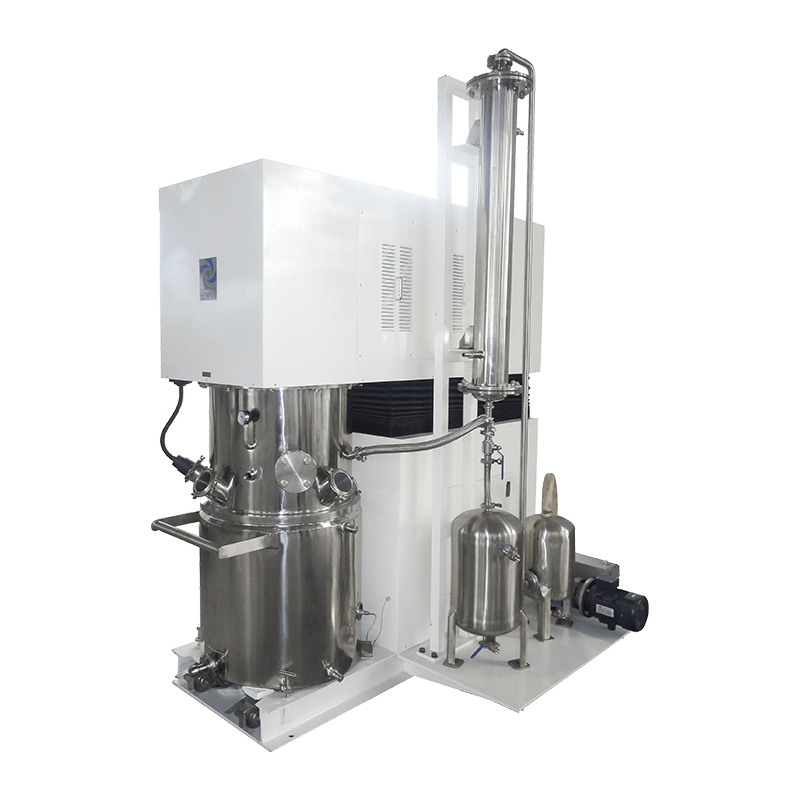
In addition to meeting the various production processes, Hennly mixer also can recycle volatile solvents, avoiding environmental pollution and reducin...
See Details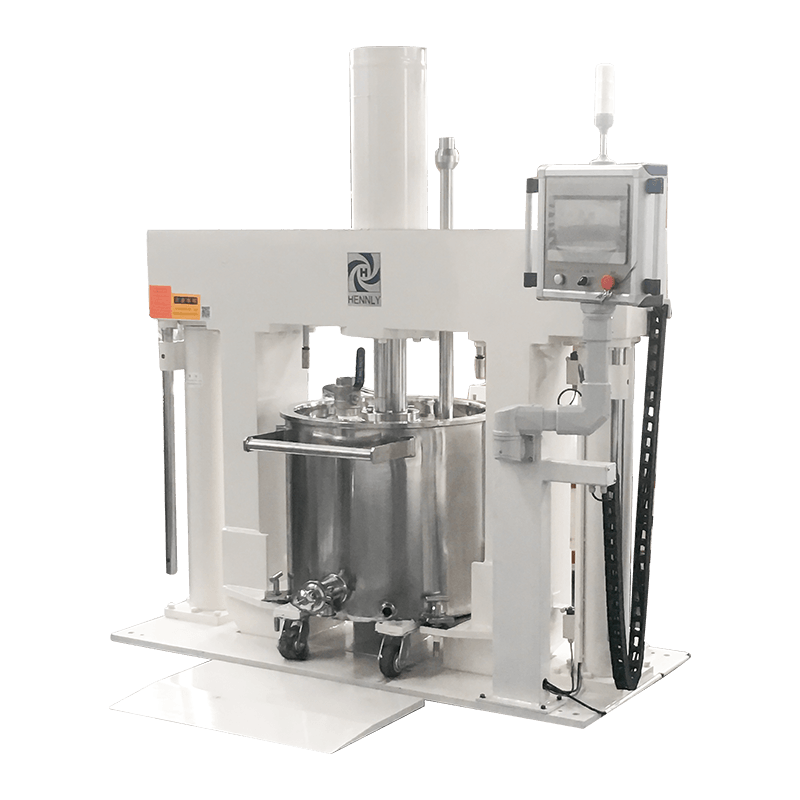
In order to meet the higher value-added product process and achieve zero pollution to the product, we use the servo electric cylinder instead of the t...
See DetailsExperienced employees & experts are Always At Your Service to provide you with satisfactory products & professional instruction on technical problem solutions.

Add: No.36 Dragon Road, Technology Park, Qidong City, Jiangsu Province

Phone: +86-13806285652

Tel:+ 86-0513-83635488

Fax:+ 86-0513-83635488

E-mail: andyli@hennly.com