


 English
 Deutsch
Double Axis Hybrid Mixer
Cat:Multi-Shaft Mixer
The two-shaft mixer is usually composed of a group of high-speed and a group of low-speed mixers, which can mix different particles in a short time to...
See DetailsIn modern industrial manufacturing, mixing is more than just combining two ingredients; it is a sophisticated engineering feat involving fluid dynamics, thermodynamics, and material science. Planetary mixers represent the pinnacle of this field. Their core principle mimics the orbital paths found in astronomy: the mixing blades rotate on their own axes (rotation) while simultaneously orbiting a central point (revolution) within the mixing vessel.
This unique "dual-rotation" mode has fundamentally changed the processing of high-viscosity materials. In traditional mixing equipment, high-viscosity materials often stick to the vessel walls or form "dead zones" around the agitator, leading to uneven mixing. Planetary mixers, through their complex mechanical trajectories, ensure that the mixing blades cover every inch of space within the container.
As industrial demands have escalated, the Triple Planetary Mixer was developed. This is an evolved version of planetary mixing technology, featuring three independent mixing blades on the revolving frame. This configuration drastically increases shear frequency and material exchange rates. When processing materials with viscosities reaching millions of centipoise (cP), the Triple Planetary Mixer provides a level of uniformity that conventional equipment simply cannot achieve.
To understand why the Triple Planetary Mixer is so efficient, one must look deep into its internal mechanical construction. This involves more than just adding an extra blade; it requires a complete redesign of the transmission system and flow field distribution.
Planetary Gearbox: This is the heart of the machine. High-strength alloy gears must maintain extremely high synchronization precision while withstanding massive torque.
Triple Agitator System: In a Triple Planetary Mixer, three agitators are arranged symmetrically at 120-degree intervals. This layout not only balances centrifugal forces during operation but also ensures the material undergoes high-intensity compression and shearing three times during every single revolution.
Vacuum and Pressure Systems: Most high-viscosity mixing processes must be conducted under vacuum to eliminate air bubbles. Triple planetary systems are typically equipped with reinforced seal covers supporting vacuum levels as deep as -0.098MPa.
Depending on the material characteristics, the blade shapes of a Triple Planetary Mixer vary:
Frame/Rectangular Blades: Suitable for forcing material toward the center by sweeping across a large area of the vessel wall.
Twist Blades: This 3D helical shape generates axial up-and-down tumbling forces, making it ideal for preventing the sedimentation of high-density fillers.
Claw/Finger Blades: These increase surface area to break up clumps through a dense "combing" action.
The table below illustrates the parameter differences between a standard planetary mixer and a high-performance Triple Planetary Mixer when handling extreme materials:
| Parameter | Standard Dual Planetary Mixer | Triple Planetary Mixer |
| Number of Blades | 2 | 3 |
| Shears per Revolution | 2 times | 3 times |
| Max Processing Viscosity | Approx. 1,000,000 cP | Up to 3,000,000+ cP |
| Mixing Efficiency | Baseline 100% | Increased by 35% - 50% |
| Heat Exchange Efficiency | Medium | High |
| Dead Zone Coverage | 98% | 99.9% |
The superior performance of the Triple Planetary Mixer stems from the complex physical fields generated within it. As the three blades move in an intersecting path within the vessel, the gaps between the blades themselves—and between the blades and the tank wall (usually only 2-5mm)—form an extremely high-energy shear zone.
During the operation of a Triple Planetary Mixer, material is compressed at the leading edge of the blade and stretched at the trailing edge. This repetitive shearing force effectively breaks the Van der Waals forces between powder particles, ensuring perfect dispersion into the base material. For materials like battery slurries or specialized silicone, this microscopic uniformity is the key factor in final product quality.
Since the materials processed are usually non-Newtonian fluids of extreme viscosity, the flow is predominantly laminar. Friction generates significant thermal energy, which can denature sensitive chemical components if not controlled.
Jacketed Vessel: The Triple Planetary Mixer is usually paired with a temperature-controlled jacket, using circulating cooling water to remove frictional heat.
Temperature Sensors: Sensors in direct contact with the material (usually installed at the tank bottom or mixing head) provide real-time feedback on temperature rises to prevent local overheating.
The Triple Planetary Mixer excels in handling materials with extreme physical properties, especially in industries with rigorous requirements for component distribution.
In lithium-ion battery production, mixing the electrode slurry (cathode and anode) is a critical process determining battery cycle life and energy density.
Challenge: Slurries contain high proportions of solid powders and minimal binders, which are prone to clumping.
Triple Planetary Mixer Advantage: Compared to traditional dual-shaft mixers, the Triple Planetary Mixer disperses conductive carbon black into polymer solutions much faster, significantly reducing slurry resistivity.
For silicone and polyurethane sealants with viscosities exceeding 1,000,000 cP, ordinary equipment often just "spins" without moving the bulk material.
Challenge: Materials are extremely viscous and thixotropic, requiring massive torque support.
Triple Planetary Mixer Advantage: Three blades move in an interlocking fashion, forcing peripheral material into the high-shear center zone, ensuring catalysts and additives reach homogeneity in record time.
Conductive pastes used in the electronics industry are expensive and extremely sensitive to metal impurities.
Challenge: The mixing process must not introduce wear debris and must completely exclude air bubbles to prevent voids after curing.
Triple Planetary Mixer Advantage: Combined with high-vacuum systems, the Triple Planetary Mixer performs online de-aeration while mixing, enhancing the dielectric performance of the product.
| Industry Application | Viscosity Range (cP) | Recommended Blade Type | Vacuum Requirement | Linear Speed (m/s) |
| Battery Slurry | 2,000 - 15,000 | Helical Twist | Less than -0.095 MPa | 15 - 25 |
| Electronic Silicone | 500,000 - 1,500,000 | Frame + Disperser | Less than -0.098 MPa | 5 - 12 |
| Heavy Sealants | 1,500,000 - 3,000,000 | Heavy-duty Frame | Less than -0.090 MPa | 2 - 8 |
In a single-shaft disperser, the blade is usually at the center, and high-viscosity material tends to move in a concentric circle with the blade, a phenomenon known as "swirling." In a Triple Planetary Mixer, the orbital motion of the three blades constantly interrupts this concentric flow, forcing the material into intense turbulence in both horizontal and vertical directions.
| Metric | Single-Shaft Disperser | Dual Planetary Mixer | Triple Planetary Mixer |
| Material Flowability | Requires good flow | Med-High Viscosity | Extreme Viscosity |
| Shear Intensity | High local, low global | Medium-High global | Ultra-High global |
| Batch Consistency | Poor | Good | Excellent |
| Energy Ratio | High | Medium | Low |
Modern Triple Planetary Mixer units are typically equipped with PLC-based HMI (Human-Machine Interface) systems.
Recipe Management: Stores hundreds of recipes, automatically adjusting speed, vacuum, and temperature.
Torque Monitoring: The system monitors motor torque in real-time. If viscosity spikes, the system alerts or slows down to protect the gearbox.
| Control Parameter | Function | Automation Advantage |
| Rev/Rot Ratio | Determines flipping frequency | Dynamically adjustable |
| Vacuum Stability | Ensures micro-bubbles removal | Auto-compensation |
| PID Temperature | Prevents heat damage | Millisecond feedback |
Lubrication: Replace high-performance synthetic gear oil every 2000 hours and check mechanical seals to prevent oil contamination of the mix.
CIP (Clean-in-Place): High-end Triple Planetary Mixer units support CIP systems with high-pressure rotating nozzles to reduce manual labor.
A: It comes down to "shear density." At the same orbital speed, the Triple Planetary Mixer increases physical contact frequency by 50%. For materials with no natural flow, the third blade ensures no dead spots and significantly reduces the time to reach homogeneity.
A: Vacuum is necessary if you need to prevent oxidation, ensure structural integrity (avoiding voids), or increase bulk density by removing air from powders.
A: While its strength is solid-liquid mixing, its powerful orbital path makes it superior for distributing micro-additives into large volumes of powder compared to ordinary ribbon blenders.
A: For high-precision applications, the gap in a Triple Planetary Mixer is usually controlled between 2mm and 5mm. This small gap creates a "squeezing effect" that forcefully breaks down agglomerates.
A: Extreme viscosity materials won't pour out. It is recommended to use a dedicated Hydraulic Discharge Press. This device uses a plate that matches the tank diameter to push material out through a bottom valve, reducing residue to less than 1%.
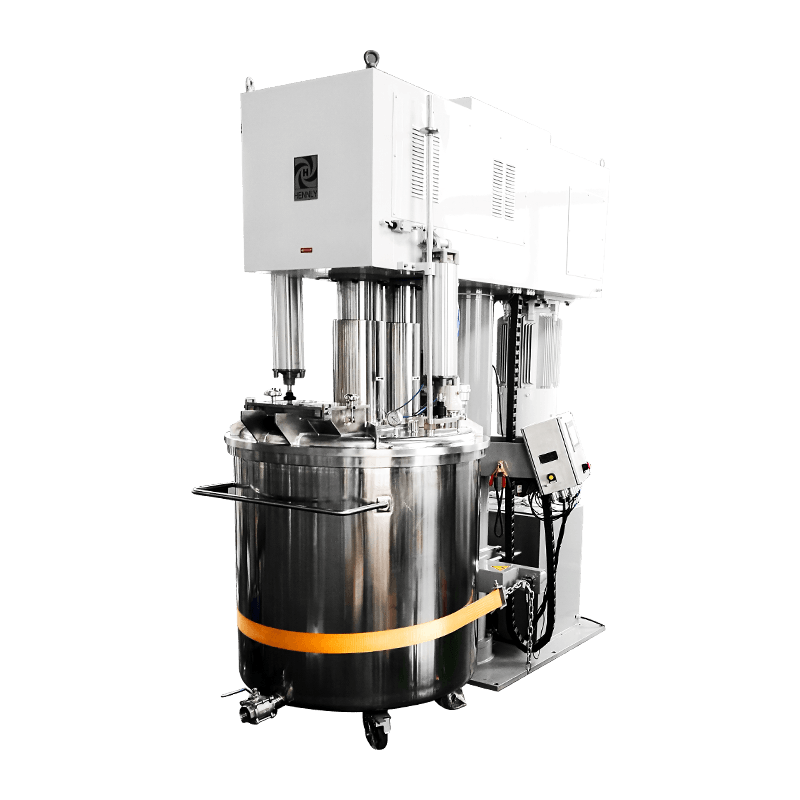
The two-shaft mixer is usually composed of a group of high-speed and a group of low-speed mixers, which can mix different particles in a short time to...
See Details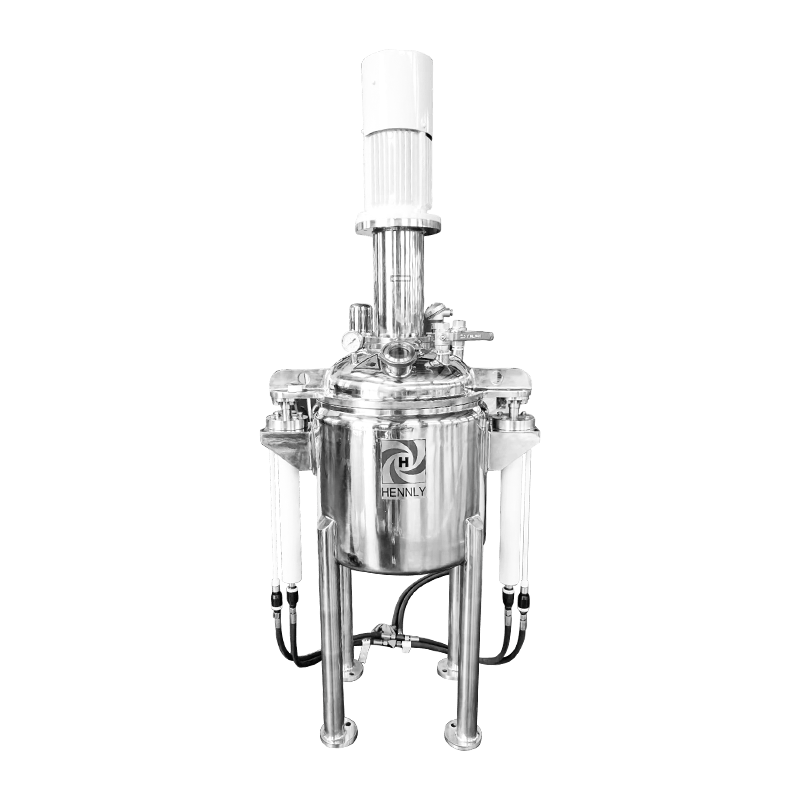
The lab-type disperser is a device specially designed for laboratory environments, which combines the functions of dispersion and mixing and is especi...
See Details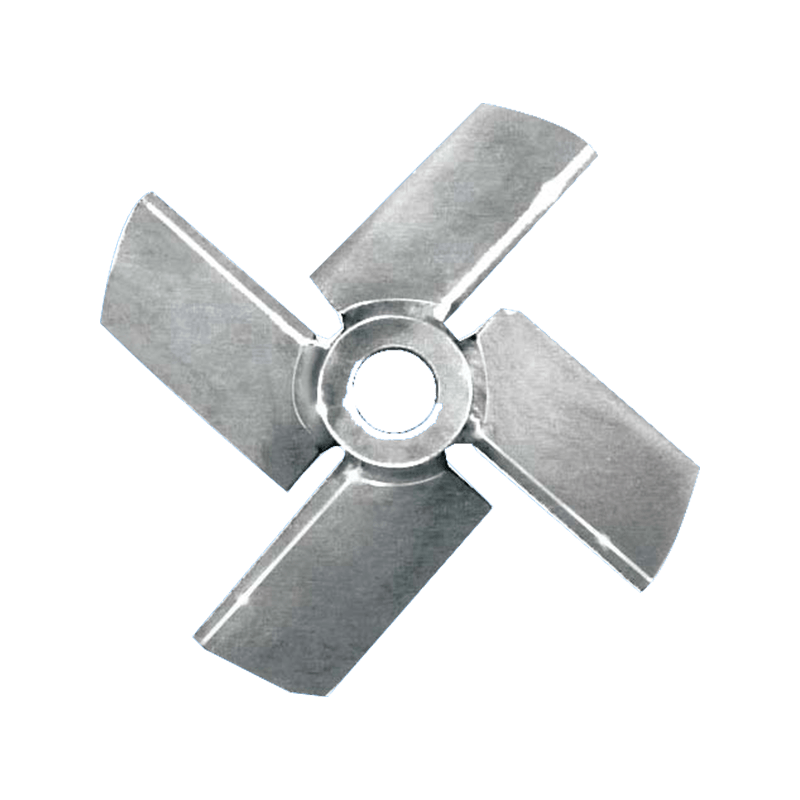
Nantong Hennly has conducted extensive research in the field of high-speed dispersers. For different materials and process requirements, Hennly offers...
See Details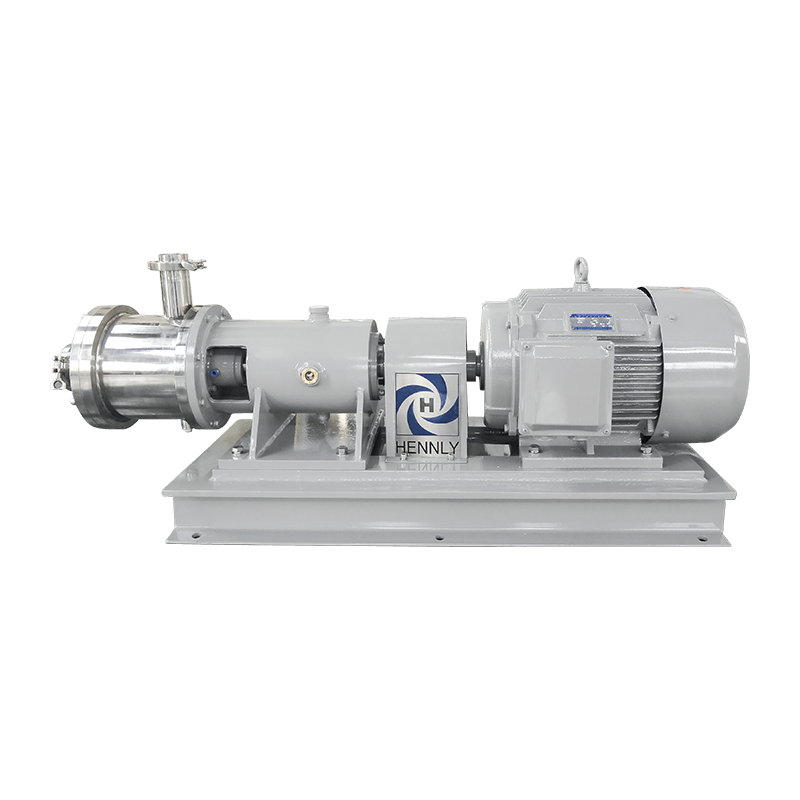
When the material is sucked into the rotor area from the axial position, the material is quickly thrown to the fixed rotor shear gap under the action ...
See Details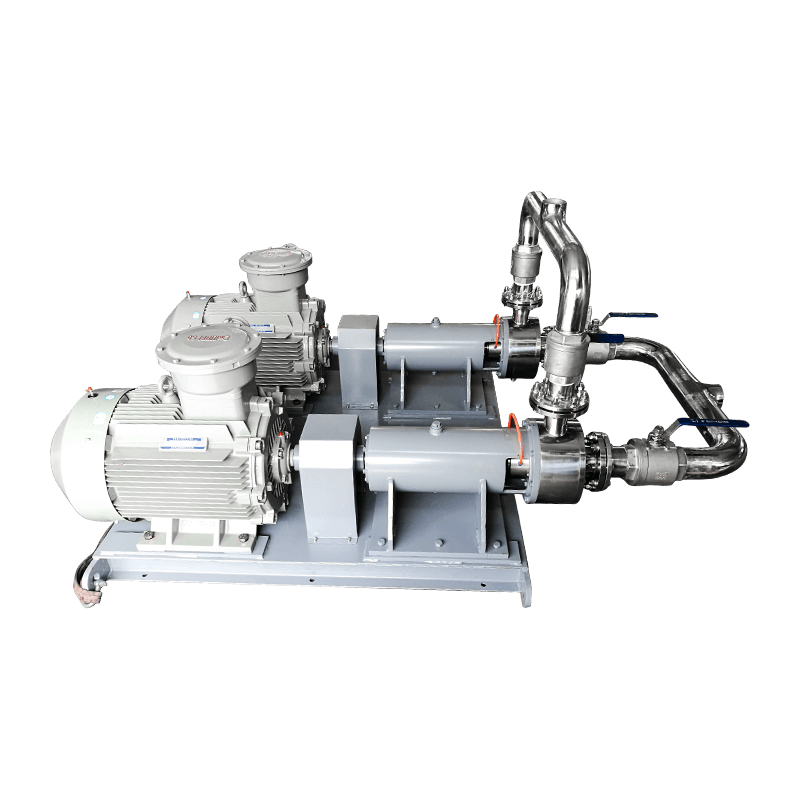
The advantages of grinding pumps include high linear velocity small and adjustable shear gaps, enhanced fluid turbulence. high-quality surface finishi...
See Details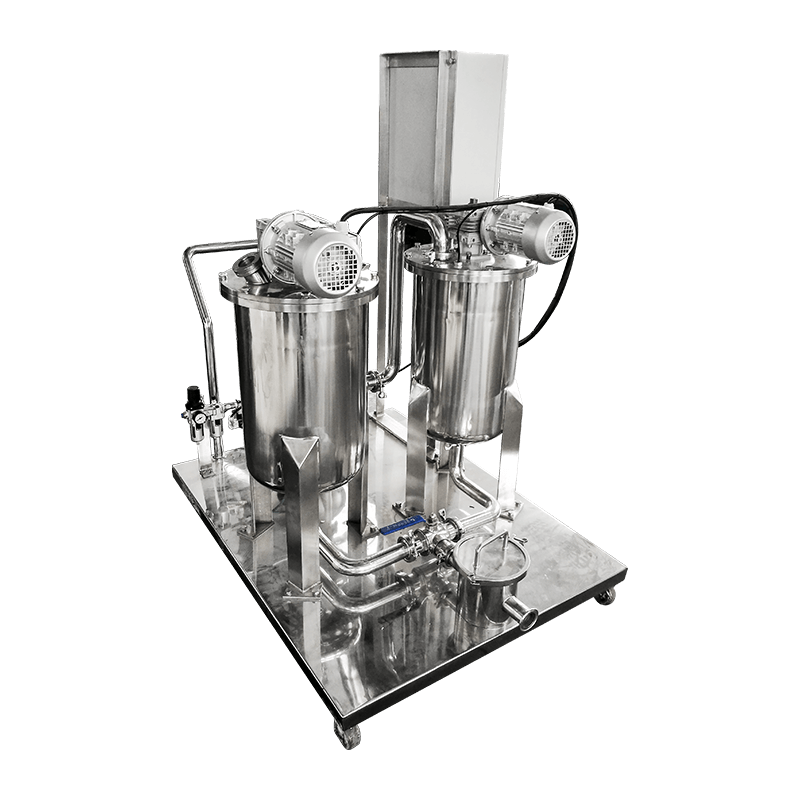
The corrosion-resistant multi-bag stainless steel chemical filter is specially designed to remove solid particles from liquids, thereby effectively pr...
See Details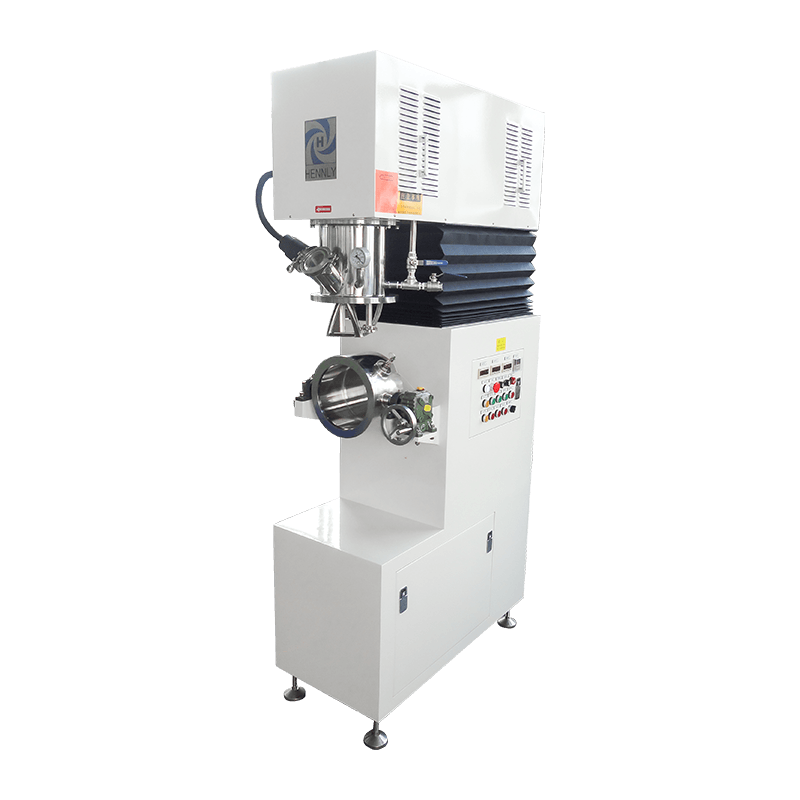
Feature: Small capacity, high hygiene level, high flexibility Lab Planetary Mixer is mainly used for customer’s pre-research. Above various types of m...
See Details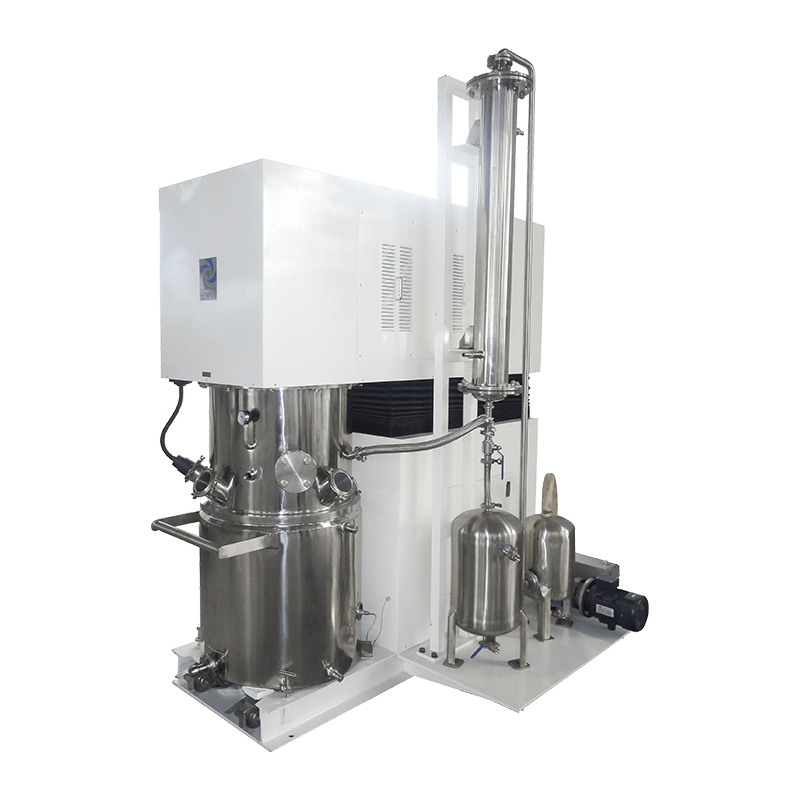
In addition to meeting the various production processes, Hennly mixer also can recycle volatile solvents, avoiding environmental pollution and reducin...
See DetailsExperienced employees & experts are Always At Your Service to provide you with satisfactory products & professional instruction on technical problem solutions.

Add: No.36 Dragon Road, Technology Park, Qidong City, Jiangsu Province

Phone: +86-13806285652

Tel:+ 86-0513-83635488

Fax:+ 86-0513-83635488

E-mail: andyli@hennly.com
