


 English
 Deutsch
Home / News / Industry News / How Does a Double Planetary Disperser Differ from Planetary Mixer and Sigma Mixer
How Does a Double Planetary Disperser Differ from Planetary Mixer and Sigma Mixer
Double Planetary Disperser vs Planetary Mixer vs Sigma Mixer: A Detailed Comparison
In industries like chemicals, pharmaceuticals, and coatings, dispersers are commonly used for mixing and processing high-viscosity materials. Different types of dispersers have unique functionalities and suitable applications. This article delves into the differences between Double Planetary Disperser, Planetary Mixer, and Sigma Mixer, providing a deeper understanding of each.
1. Differences in Working Principles
Double Planetary Disperser
The Double Planetary Disperser operates using two planetary agitators that rotate around their respective axes while also orbiting around a central point. This "planetary" motion helps to create a shearing force that efficiently disperses high-viscosity materials. This complex motion ensures high-efficiency dispersion, especially for materials that are difficult to break down or disperse.
Planetary Mixer
The Planetary Mixer also uses planetary motion, where mixing blades rotate and orbit within a mixing chamber. However, compared to the Double Planetary Disperser, the agitator's design is simpler. While it can provide good mixing, it doesn't produce the same high shear forces needed for efficient dispersion, especially with high-viscosity materials.
Sigma Mixer
The Sigma Mixer features two intermeshing, "Sigma"-shaped blades that rotate in opposite directions to mix and knead materials. Unlike the Double Planetary Disperser and Planetary Mixer, the Sigma Mixer is better suited for handling materials that are highly viscous or have a plastic consistency. However, it is less effective in providing the dispersion needed for finer particle sizes or achieving uniform dispersion of solids.
2. Differences in Suitable Materials
Double Planetary Disperser
The Double Planetary Disperser is ideal for processing very high-viscosity materials. It is widely used in industries like coatings, inks, adhesives, silicones, and composite materials, where efficient dispersion of solid particles in a viscous medium is required. Its dual planetary motion ensures uniform and effective dispersion, even in the most challenging materials.
Planetary Mixer
The Planetary Mixer is suited for mixing medium to low-viscosity materials, such as adhesives, paints, and powders. While it can handle moderately viscous materials, it does not offer the same level of dispersion as the Double Planetary Disperser, particularly for high-viscosity materials. It is a versatile option but may require longer mixing times or higher energy input for high-viscosity materials.
Sigma Mixer
The Sigma Mixer is primarily designed for high-viscosity materials that require a kneading or extensive mixing process, such as plastics, rubber, and heavy pastes. While it is effective at mixing, its dispersion capabilities are limited. It is best suited for materials where thorough mixing is needed, but it doesn't provide the fine dispersion required for materials with smaller particle sizes.
3. Differences in Efficiency and Functionality
Double Planetary Disperser
The Double Planetary Disperser provides high shear forces, making it suitable for achieving efficient dispersion in high-viscosity materials. It can break down solid particles quickly and ensure that they are uniformly distributed within the medium. Its design allows for faster processing times, improving production efficiency and product consistency, particularly in industries requiring complex material processing.
Planetary Mixer
The Planetary Mixer is effective in mixing materials, especially those with moderate viscosity. It provides good consistency for blending various materials but falls short in applications that demand high shear for breaking down particles. In terms of efficiency, the Planetary Mixer may require longer mixing cycles for achieving optimal dispersion, especially when dealing with thicker or more difficult materials.
Sigma Mixer
The Sigma Mixer is best for intensive kneading or mixing processes. It excels at blending high-viscosity and paste-like materials. However, it is less efficient when it comes to dispersing solid particles uniformly, especially in cases where fine dispersion is required. Although it provides effective mixing, it does not achieve the high shear dispersion levels offered by the Double Planetary Disperser.
4. Differences in Equipment Design and Maintenance
Double Planetary Disperser
The Double Planetary Disperser features a complex design that consists of two planetary mixing blades, a mixing chamber, and a drive system. Due to its high workload, maintenance can be more involved. Components such as bearings, seals, and mixing blades require regular inspection and maintenance to prevent wear and tear. Despite its complexity, the Double Planetary Disperser maintains high efficiency and durability over time when properly maintained.
Planetary Mixer
The Planetary Mixer has a simpler design with a single planetary mixing blade and a chamber. It is easier to maintain and clean compared to the Double Planetary Disperser, as it does not have as many complex moving parts. This simplicity makes it an excellent choice for general mixing tasks, though it may not perform as well in highly demanding dispersion processes.
Sigma Mixer
The Sigma Mixer is characterized by two intermeshing, spiral-shaped blades that rotate in opposite directions. Due to its unique design, the maintenance and cleaning of the Sigma Mixer can be more complicated than the Planetary Mixer. Regular checks on the blades and seals are necessary to ensure proper operation, particularly when handling high-viscosity materials that can accumulate in the machine.
Previous Post
No previous article
Next Post
How to Choose the Right Industrial Powder Mixing Equipment for Your Process
Related Products
-
-
Double Axis Hybrid Mixer
Cat:Multi-Shaft Mixer
The two-shaft mixer is usually composed of a group of high-speed and a group of low-speed mixers, which can mix different particles in a short time to...
See Details -
Lab Type Disperser
Cat:High Speed Disperser
The lab-type disperser is a device specially designed for laboratory environments, which combines the functions of dispersion and mixing and is especi...
See Details -
Dispersion Tray Design
Cat:High Speed Disperser
Nantong Hennly has conducted extensive research in the field of high-speed dispersers. For different materials and process requirements, Hennly offers...
See Details -
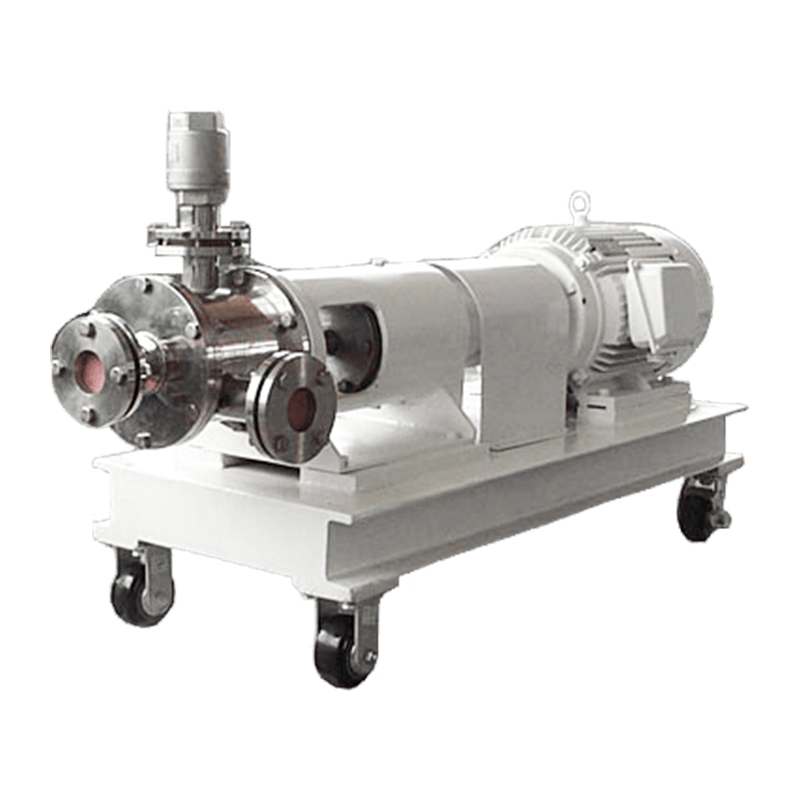
Siphon Type of Mixer
Cat:High Shear Mixer
The siphon mixer creates a vacuum through the high-speed rotation of a special rotor, which can evenly suck the powder into the hopper or working cham...
See Details -
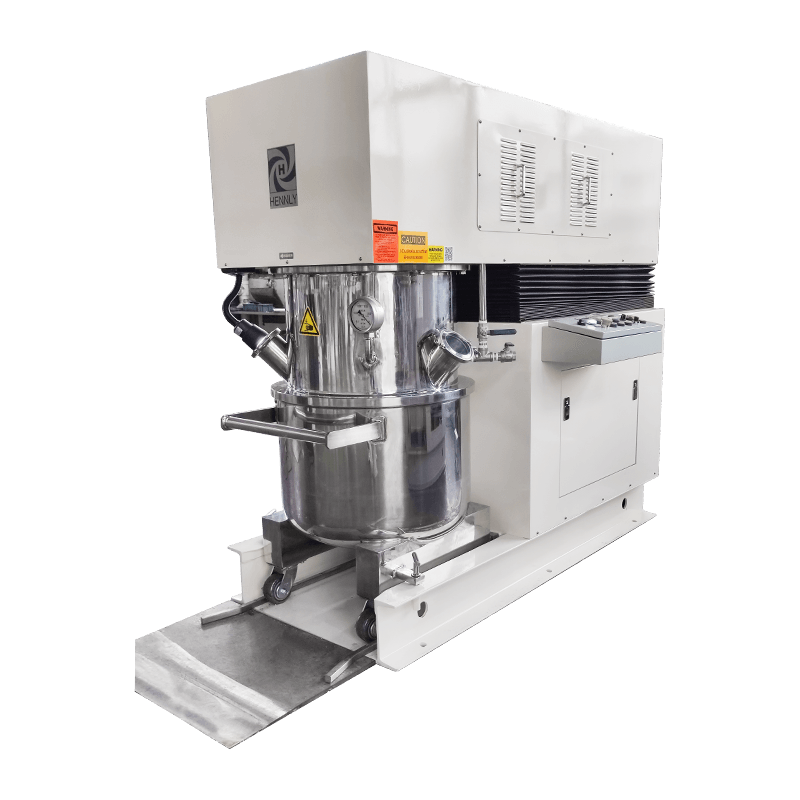
Hook Planetary Mixer
Cat:Double Planetary Mixer
Fea'ture: Hook-type stirring paddle, Special container, High speed The hook planetary mixer consists of two hook-shaped stirring paddles. The upper pa...
See Details -
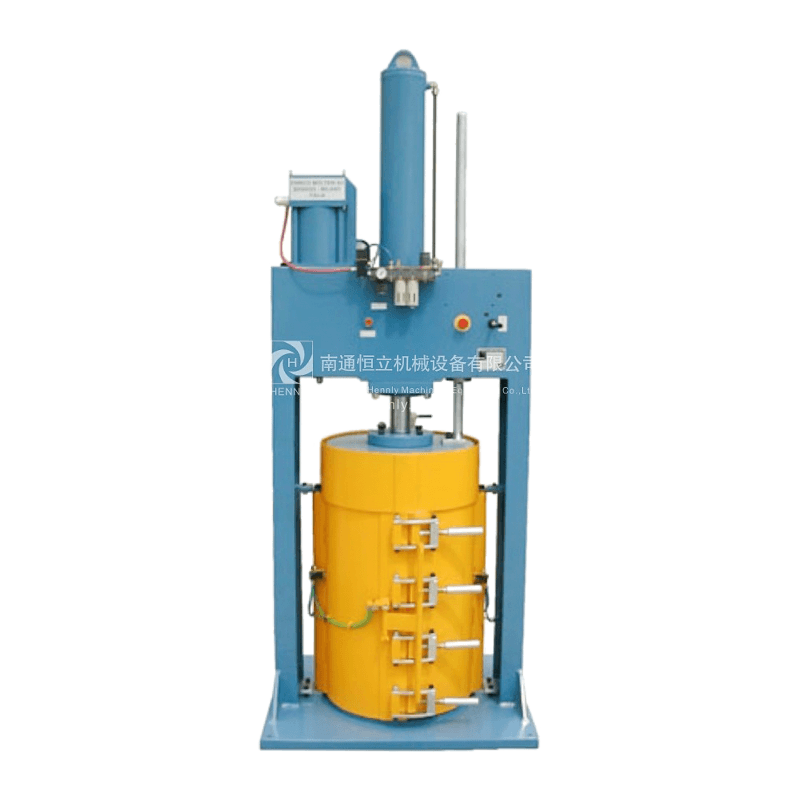
Standard Oil Drum Press
Cat:Discharge System
Hennly Discharge System widely used in high viscosity materials for filling and packing. lt is mainly used with Double Planetary Mixer & Planetary...
See Details
Are you interested in our products?
Experienced employees & experts are Always At Your Service to provide you with satisfactory products & professional instruction on technical problem solutions.
NanTong Hennly Machinery Equipment Co., Ltd.
-

Add: No.36 Dragon Road, Technology Park, Qidong City, Jiangsu Province
-

Phone: +86-13806285652
-

Tel:+ 86-0513-83635488
-

Fax:+ 86-0513-83635488
-

E-mail: andyli@hennly.com
